Hong Kong street-bike rider recalls crashes and culture
HK01 · 2 SOURCESabout 3 hours ago4 MIN
Summary
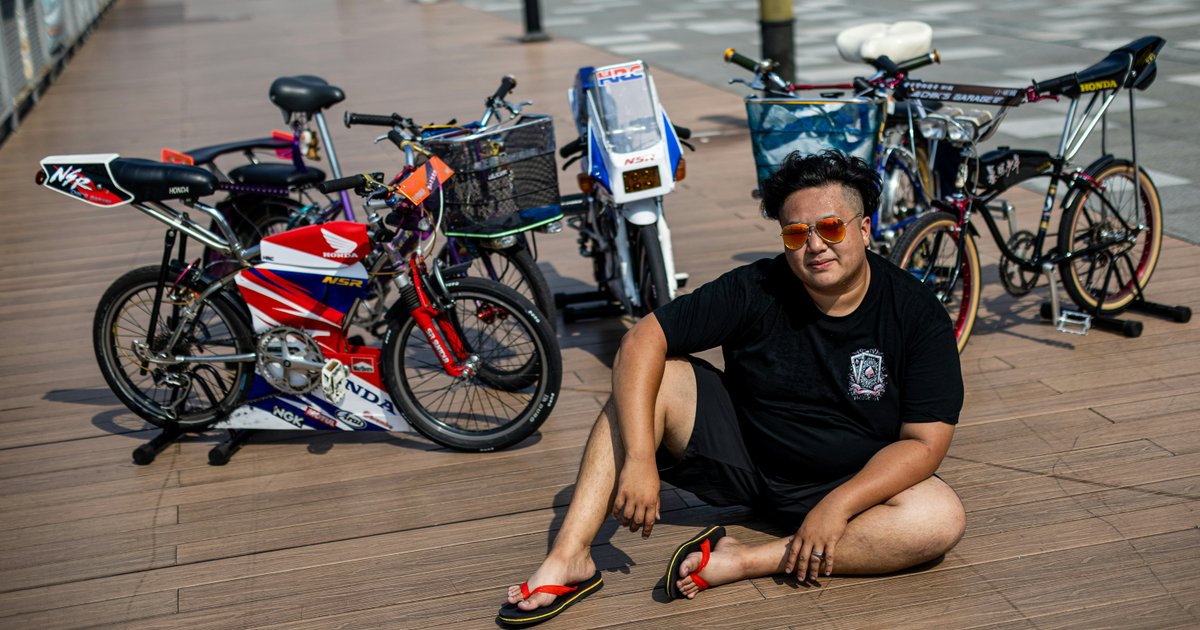
A Hong Kong street-bicycle enthusiast known in the scene as Ah Chik says years of riding modified “bullet bikes” brought him fame, exclusion, injury and the loss of his best-known bike, but he still regards the subculture as the most unforgettable part of his youth. He told HK01 that after more than 100 crashes and a near-fatal collision in 2016, he remains committed to the craft, companionship and identity he found through street-bike culture.
Key Points
- Ah Chik first encountered the “bullet bike” style in 2011 while still in primary school, after being inspired by racing films including Initial D, The Legend of Speed and Full Throttle
- He became widely known after entering a Central road cycling race as a Form One student and performing an extreme corner lean on Lung Wo Road, drawing loud cheers from spectators
- A friend uploaded footage of that lean to Facebook, and Ah Chik said he became an overnight online sensation, with even his school discipline office praising his sports participation
- Ah Chik said he crashed more than 100 times over the years; the most serious accident came in 2016 on Belcher’s Street in Sai Wan, when a minibus hit him and destroyed his bike
- He later met fellow enthusiast “Italy” through trading bicycle parts around 2020, and the pair bonded over complementary interests in lighting systems, classic handcraft work and late-night rides
- Beyond speed, Ah Chik described street-bike modification as a creative outlet in which he hand-cut decals, repaired damaged bodywork himself and used music, lighting and styling to create different moods while riding. He said the low-slung design and handling of the bikes deepened his fascination with downhill riding, drifting and leaning through corners, and that as a teenager he would even skip meals to save a few hundred Hong Kong dollars for parts
- He also linked the bikes to survival and self-worth during a difficult school period marked by bullying, fighting and truancy. Ah Chik said riding restored his confidence, while the scene itself was contradictory: it gave him recognition and close friends, but also brought exclusion, cyberbullying and deception.
- After the viral “corner lean” clip, Ah Chik said someone offered to remove rust and repaint his now-famous bike. He dismantled the parts and handed over the frame, only for the person to disappear, cut off contact and later threaten him when he tried to follow up; the bike never returned
- Ah Chik argued that outsiders too often equate “bullet bikes” with troublemaking because of their flashing lights, loud audio systems and exaggerated styling. He said many riders are instead focused on mechanical design, safer downhill control, cornering technique and atmosphere, even as he acknowledged some riders did harass passers-by and that he himself was once so unruly he likened his younger days to “Grand Theft Auto in real life”
- He said what kept him riding after repeated falls was the act of rebuilding the bike and getting back on it, describing that resilience as central to his identity. Looking back on more than a decade in the scene, he called street bikes a milestone of his rebellious years because they combined sound, visual style, handcraft and speed at a time when he could not yet afford a real motor vehicle.
Why It Matters
Ah Chik’s account offers a rare first-person record of a Hong Kong youth subculture that mixes craft, speed, risk and belonging, at a time when such street scenes are often reduced to stereotypes. His wish to turn that experience into film points to an effort to preserve a local cultural memory that includes both its creativity and its dangers.