US Leaders Blame Immigration for French Unrest, Advocate Border Closures
AM730 · 3 SOURCES1 day ago2 MIN
Summary
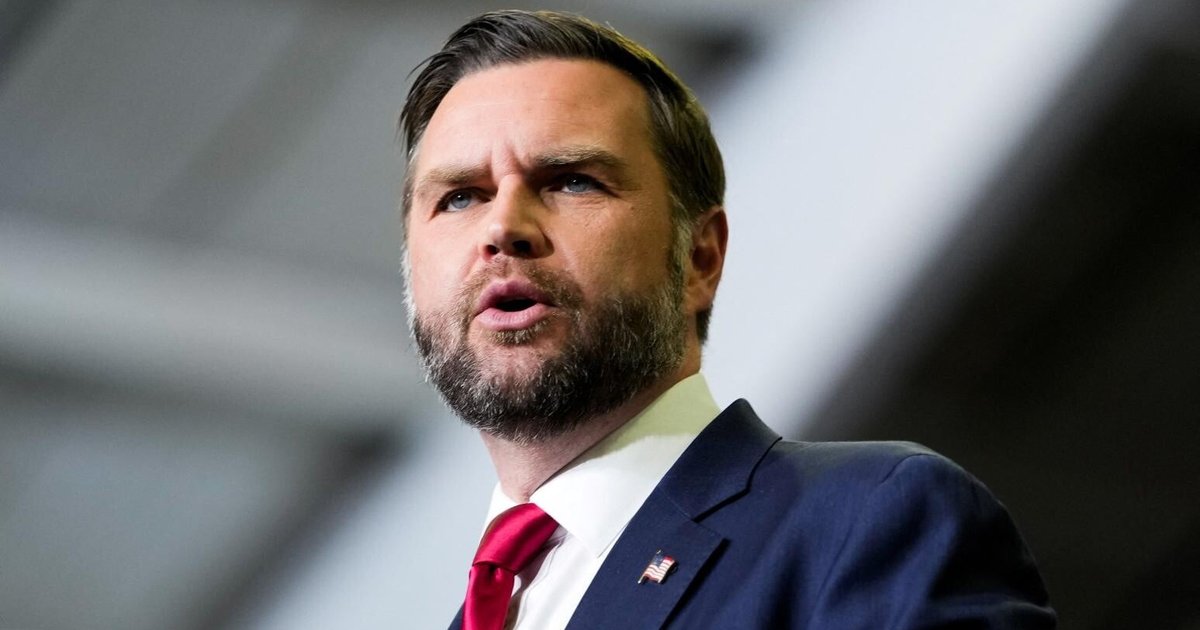
French anti-government demonstrations have intensified, drawing sharp criticism and commentary from US political leaders. Vice President JD Vance and President Donald Trump both blamed immigration policies for the violent unrest, which has seen protests over cost-of-living issues escalate into widespread destruction. Over 1,200 people have been arrested, and several historic buildings have been burned, including the 1883 Limoges city hall.
Key Points
- US Vice President JD Vance posted on X on October 17 that Western progressives "brought the third world into France" through immigration policies, ignoring cultural integration issues
- Trump stated on October 18 that France "is burning" and called for border closures, saying immigrants have "destroyed" the formerly great nation
- The Limoges city hall, built in 1883, was set on fire by protesters with its roof nearly collapsed and two-thirds of exterior walls destroyed
- Over 1,200 people have been arrested during the ongoing protests, which have included looting, arson, and violent clashes with police
- Vance linked the situation to US politics ahead of the November 3 midterm elections, warning this represents "the future Democrats want for America"
Why It Matters
The French crisis provides ammunition for immigration hardliners on both sides of the Atlantic, with US politicians using it as a cautionary tale ahead of the November midterms. The destruction of a century-old civic landmark underscores how economic grievances can rapidly escalate into cultural and identity-based conflicts that transcend national boundaries .
The French crisis provides ammunition for immigration hardliners on both sides of the Atlantic, with US politicians using it as a cautionary tale ahead of the November midterms. The destruction of a century-old civic landmark underscores how economic grievances can rapidly escalate into cultural and identity-based conflicts that transcend national boundaries .