Trump says Putin agreed Russian diesel supply deal
SingTao · 2 SOURCES1 day ago2 MIN
Summary
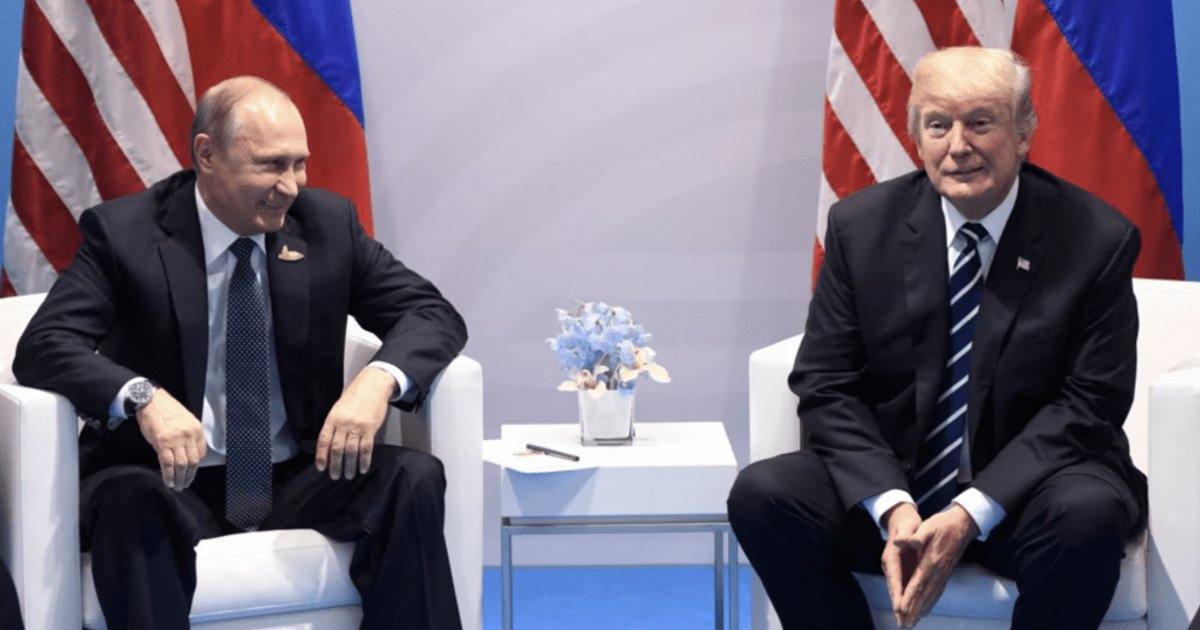
US President Donald Trump said on Friday, October 9, that he had a “very successful” phone call with Russian President Vladimir Putin and reached an energy agreement under which Russia would immediately supply more than 300,000 tonnes of diesel to the United States and global markets. Trump said Russia would then provide another 500,000 tonnes in November, followed by 1 million tonnes, with a possible additional 3 million tonnes depending on the condition of Russian refineries hit after Ukrainian attacks. The Kremlin and Russian presidential envoy Kirill Dmitriev also confirmed Russia’s readiness to supply petroleum products, saying the move could help stabilize the world economy. Trump said the arrangement should help bring diesel prices down.
Key Points
- Trump announced the deal on Truth Social after speaking with Putin, calling the conversation “very successful” and framing the move as a response to tight fuel supply.
- The first tranche exceeds 300,000 metric tonnes, followed by 500,000 tonnes in November and 1 million tonnes after that, with up to 3 million more possible.
- If every tranche is delivered, total supply would approach 4.8 million tonnes, though analysts said the initial volume is modest against US diesel trade flows
- After the announcement, US diesel futures briefly fell more than 4.8%, while AAA data showed average US regular diesel prices had risen to US$6.28 a gallon on Thursday
- Ukraine President Volodymyr Zelensky criticized the arrangement as a weak decision that would effectively help fund Russia’s war by restoring oil-product revenue
Why It Matters
For Hong Kong readers, the story matters because diesel prices feed into global shipping, freight and supply-chain costs, which can affect imported food and daily goods prices even far from the US market. It also points to a sharp shift in Washington’s Russia policy, with the US Treasury issuing a temporary general license allowing Russian diesel imports despite earlier energy sanctions