Guizhou Nurse Dies After 10-Day Rescue; Case Reignites Debate Over 48-Hour Work Injury Rule
SingTao · 2 SOURCESabout 3 hours ago5 MIN
Summary
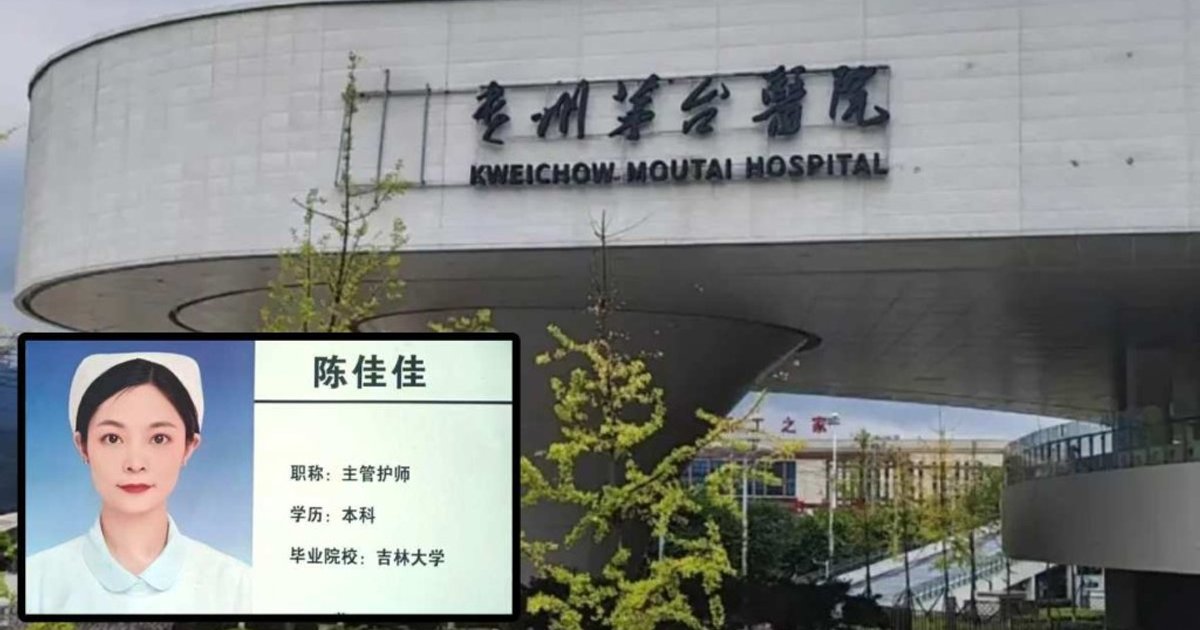
A tragic case involving a young nurse in Guizhou Province has ignited widespread public debate after authorities refused to recognize her death as a work-related injury. Chen Jiajia (陳佳佳), a 30-year-old head nurse at Guizhou Moutai Hospital in Renhuai City, collapsed from a brain hemorrhage while on duty on August 4. Despite 10 days of emergency medical treatment, she was pronounced brain dead and passed away on August 14. The Zunyi City Human Resources and Social Security Bureau ruled the case did not qualify as a work injury because her treatment period surpassed the statutory 48-hour limit stipulated in the Work Injury Insurance Regulations. Chen was a single mother raising an 8-year-old son alone, adding to the public outcry over the decision.
Key Points
- Chen Jiajia worked as a head nurse in the Medical Imaging Department at Guizhou Moutai Hospital in Renhuai City, Guizhou Province
- On August 4, Chen experienced severe headache and vomiting during her shift; colleagues rushed her to emergency and neurosurgery departments
- Medical staff diagnosed spontaneous subarachnoid hemorrhage and acute brain hernia; she underwent brain surgery the same day but remained in a coma
- After 10 days of treatment, Chen was declared brain dead on August 14 and died five minutes after being transferred to her hometown
- The Zunyi Human Resources and Social Security Bureau cited the 48-hour rule in denying work injury status, triggering public criticism
Why It Matters
This case exposes a fundamental tension between rigid legal procedures and human compassion in China's labor protection system. The 48-hour rule, designed to prevent abuse of work injury claims, has now resulted in an outcome that many view as deeply unjust—particularly for healthcare workers who face inherently high-stress, physically demanding work conditions. The controversy also raises questions about whether the law adequately accounts for sudden, catastrophic medical emergencies that require extended treatment before confirmation of death.
This case exposes a fundamental tension between rigid legal procedures and human compassion in China's labor protection system. The 48-hour rule, designed to prevent abuse of work injury claims, has now resulted in an outcome that many view as deeply unjust—particularly for healthcare workers who face inherently high-stress, physically demanding work conditions. The controversy also raises questions about whether the law adequately accounts for sudden, catastrophic medical emergencies that require extended treatment before confirmation of death.