Thailand Overtakes Vietnam as China Plus One Destination of Choice
SCMP · 1 SOURCESabout 2 hours ago2 MIN
Summary
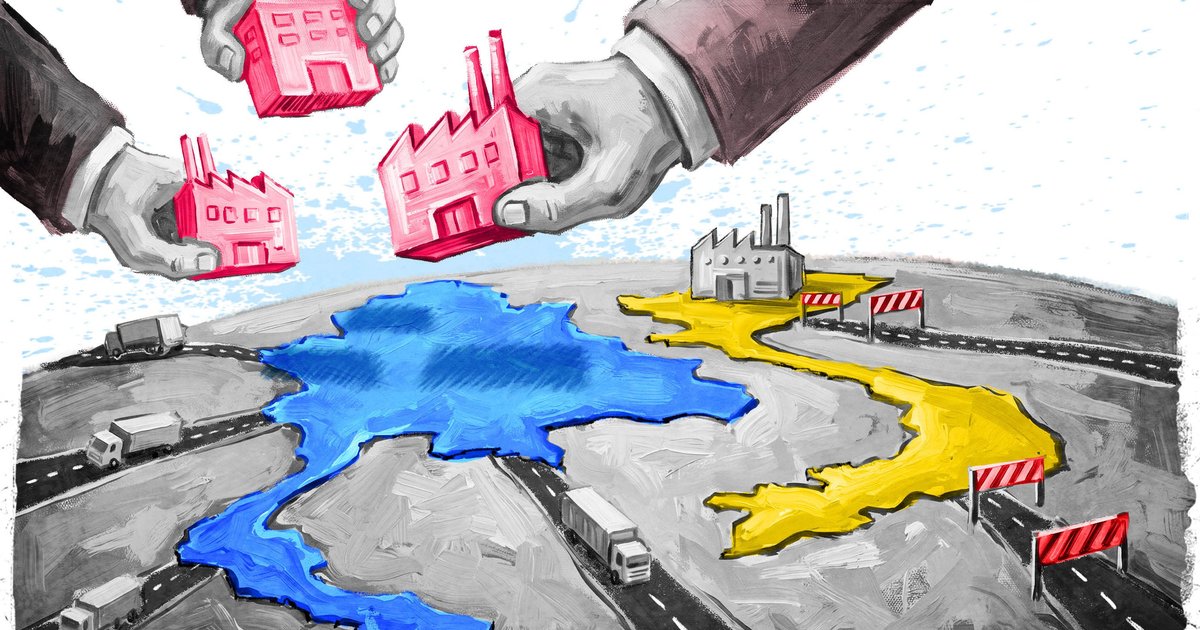
Thailand has become the new 'poster child' of Chinese companies' 'China plus one' strategy, overtaking Vietnam as the preferred destination for firms seeking to diversify their manufacturing footprints away from mainland China . In 2025, Thailand attracted US$5.33 billion in Chinese investment, more than double Vietnam's US$2.46 billion, according to data from the Chinese Ministry of Commerce . The shift comes as Beijing's firms grapple with narrowing domestic profits and expanding production capacity, prompting them to seek new, more lucrative markets abroad . Washington has also intensified scrutiny on transshipment through Vietnam, imposing 40 percent tariffs on Chinese goods found to have been diverted through the country . Experts say Thailand's mature manufacturing infrastructure gives it a competitive advantage in attracting tech-intensive Chinese manufacturers .
Key Points
- Thailand attracted US$5.33 billion in Chinese investment in 2025, more than double Vietnam's US$2.46 billion
- Washington imposed 40 percent tariffs on Chinese goods detected as having been rerouted through Vietnam
- Donald Low, public policy professor at Hong Kong University of Science and Technology, described Thailand as the new 'poster child'
- Thailand's manufacturing base is described as 'reasonably mature' and more sophisticated than Vietnam's
- The 'China plus one' strategy aims to hedge against tariffs and geopolitical risks amid the post-trade war 2.0 era
Why It Matters
The surge in Chinese investment into Thailand highlights how geopolitical tensions and trade barriers are reshaping regional supply chains across Southeast Asia . For Hong Kong businesses, this trend signals potential opportunities in logistics, financial services, and trade facilitation as Chinese manufacturers establish operations in Thailand . The shift also underscores the broader fragmentation of global trade networks, with implications for Hong Kong's role as a gateway between China and international markets .
The surge in Chinese investment into Thailand highlights how geopolitical tensions and trade barriers are reshaping regional supply chains across Southeast Asia . For Hong Kong businesses, this trend signals potential opportunities in logistics, financial services, and trade facilitation as Chinese manufacturers establish operations in Thailand . The shift also underscores the broader fragmentation of global trade networks, with implications for Hong Kong's role as a gateway between China and international markets .