Beijing security office backs convictions in alliance case
SingTao · 2 SOURCESabout 3 hours ago2 MIN
Summary
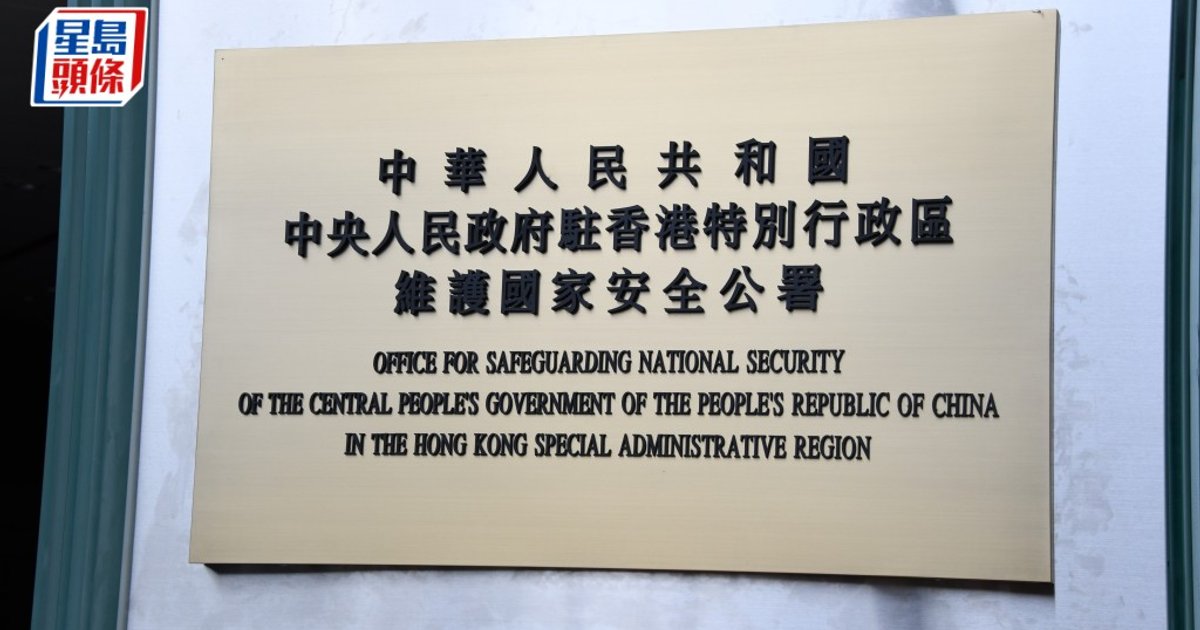
Hong Kong’s High Court on August 21 convicted the Hong Kong Alliance in Support of Patriotic Democratic Movements of China, Lee Cheuk-yan and Chow Hang-tung of inciting others to subvert state power, while Ho Chun-yan had earlier pleaded guilty and was already convicted. After the ruling, the Office for Safeguarding National Security of the Central People’s Government in the Hong Kong Special Administrative Region said it firmly supported the court’s decision, calling it a defence of the rule of law and the authority of the Hong Kong National Security Law
Key Points
- The case centred on the alliance’s long-standing slogan of “ending one-party dictatorship”, which prosecutors said sought to undermine the Chinese Communist Party’s leadership and the constitutional order.
- The security office said evidence showed the defendants repeatedly promoted protest-related messages, organised marches and assemblies, and spread their views through newspapers and other media
- The office said the conduct continued after the Hong Kong National Security Law took effect, and described it as seriously harming national and Hong Kong interests and social stability
- The case was heard publicly by a designated national security judge, and politicians including lawmaker Priscilla Leung Mei-fun and DAB vice-chair Chan Heng-pin said the procedures were open and rigorous
- Sentencing-related mitigation was adjourned to August 28, after the court found the alliance, Lee and Chow guilty, while Ho had already admitted the charge earlier
Why It Matters
The ruling is likely to remain a major reference point in how Hong Kong courts interpret political advocacy, constitutional order and national security offences under the post-2020 legal framework. It also drew immediate political backing from both Beijing’s security office in Hong Kong and pro-establishment figures, indicating continued official resolve to pursue national security cases.