Tsai Kang-yung Denies Backing Taiwan Independence
AM730 · 2 SOURCES1 day ago5 MIN
Summary
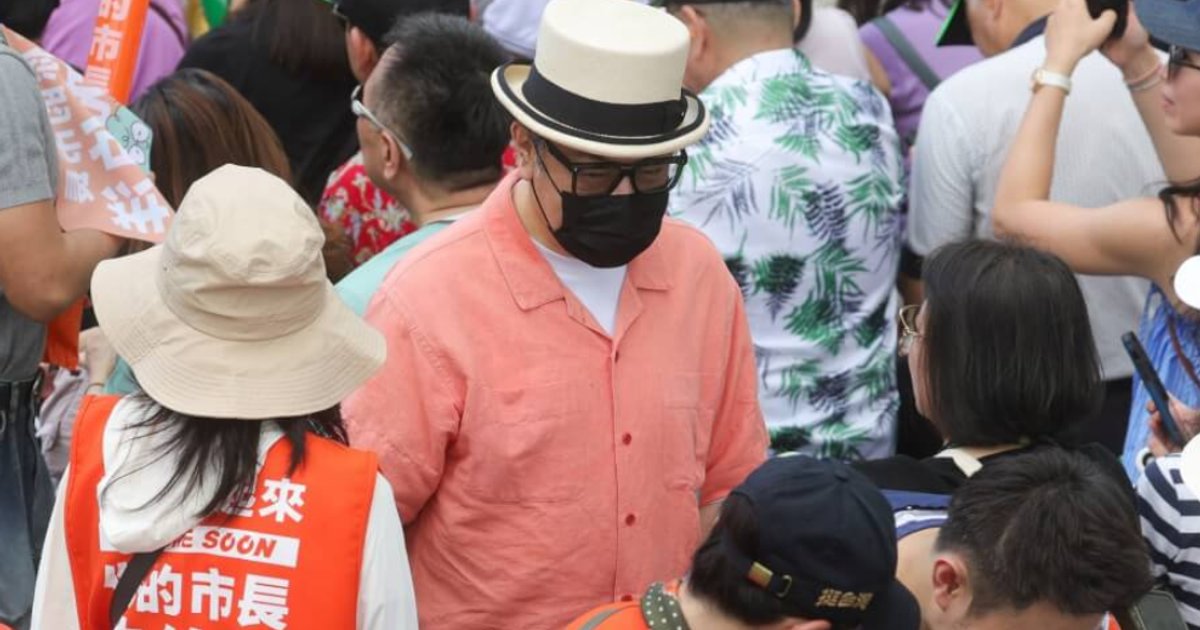
Taiwanese television host Tsai Kang-yung (蔡康永) posted a message on Weibo on Sunday, October 25, addressing people “concerned about this matter” after he was criticized and boycotted in mainland China over his appearance at a campaign rally for Democratic Progressive Party Taipei mayoral candidate Shen Po-yang (沈伯洋).
In the post, Tsai said he had “always hoped for friendly exchanges across the Taiwan Strait” and had “never supported Taiwan independence.”
He said that since beginning interview-hosting work in 1998, he had interviewed nearly 10,000 guests with different political positions and had never become a follower of any of them.
Tsai also apologized, saying the misunderstanding had caused trouble for his business partners and for people who had once liked him, while adding that his recent attendance at different events was part of gathering material through on-site observation.
Key Points
- Tsai said directly in his Weibo statement that he had always wanted friendly cross-strait contact and had never supported Taiwan independence.
- The statement came after backlash over his attendance at a campaign event for Taipei mayoral hopeful Shen Po-yang of the Democratic Progressive Party.
- Tsai wrote that he had hosted interview programs since 1998 and had interviewed nearly 10,000 guests holding many different views.
- He argued that interviewing someone or observing an event in person did not mean he agreed with that person’s political position.
- Tsai said his parents were both from Shanghai and met only after arriving in Taipei, calling those historical ties part of his life story.
Why It Matters
For Hong Kong readers who follow Chinese-language entertainment and cross-strait public opinion, the episode shows how political associations can quickly affect an entertainer’s audience, partnerships and room to speak across different markets.
Tsai’s wording also underlines how public figures may try to separate professional appearances from political endorsement when facing pressure from audiences on both sides of the Taiwan Strait.