Qinghai Lamian: How a 40-Year Brand Misattribution Finally Got Corrected
SingTao · 2 SOURCESabout 2 hours ago2 MIN
Summary
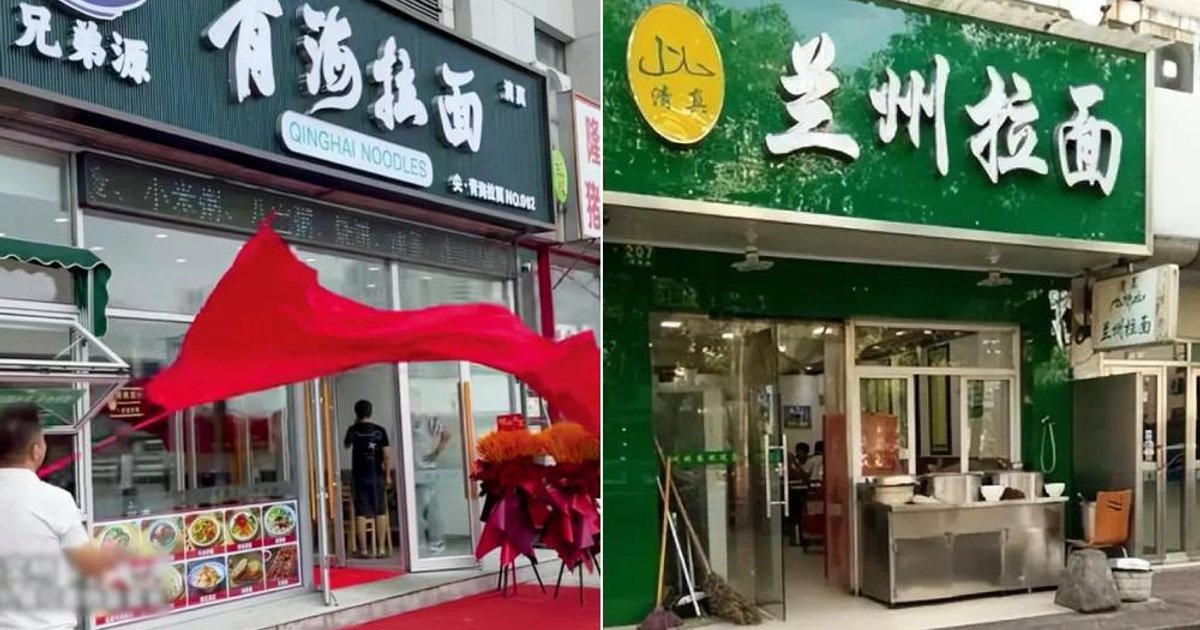
More than 1,000 noodle shops across mainland China have replaced their "Lanzhou Lamian" signs with "Qinghai Lamian" branding, concluding a nearly 40-year period of brand misattribution. The establishments, predominantly operated by migrants from Qinghai Province's poverty-stricken Hualong and Jianzha counties, have grown into a massive industry spanning over 31,000 outlets across 330 cities, generating annual revenues exceeding 24 billion RMB. This rebranding initiative, coordinated by the Qinghai Provincial Department of Agriculture and Rural Affairs, seeks to establish proper attribution for the entrepreneurs who built the industry while transforming the shops into platforms for promoting Qinghai's agricultural products and cultural tourism.
Key Points
- In 1988, the first Qinghai entrepreneur from Hualong opened a noodle shop in Xiamen, marking the beginning of an industry that would grow to 31,000 stores nationwide
- The actual dish in Lanzhou is called "Lanzhou Beef Noodles" (niú dà), not "Lanzhou Lamian" — a terminology error that misled consumers for decades
- Qinghai's "Three Shops in One" program transforms noodle outlets into combined dining, specialty product sales, and cultural tourism exhibition spaces
- The "Lanzhou Lamian" trademark was rejected by Chinese authorities in 2009, confirming the brand never held legal protection despite widespread use
- The rebranded shops now feature yak bone broth, sales of yak meat jerky and barley cakes, and displays showcasing Qinghai's agricultural specialties
Why It Matters
For Hong Kong consumers who frequently visit mainland cities, this rebranding highlights the importance of accurate regional food branding and proper attribution in China's rapidly evolving culinary landscape. The transformation of these noodle shops into comprehensive platforms for Qinghai's agricultural exports could also introduce Hong Kong diners to a wider range of specialty products from China's western provinces.
For Hong Kong consumers who frequently visit mainland cities, this rebranding highlights the importance of accurate regional food branding and proper attribution in China's rapidly evolving culinary landscape. The transformation of these noodle shops into comprehensive platforms for Qinghai's agricultural exports could also introduce Hong Kong diners to a wider range of specialty products from China's western provinces.