Immigration Officers Report Severe Staff Shortages at New Huanggang Port
HK01 · 3 SOURCESabout 2 hours ago2 MIN
Summary
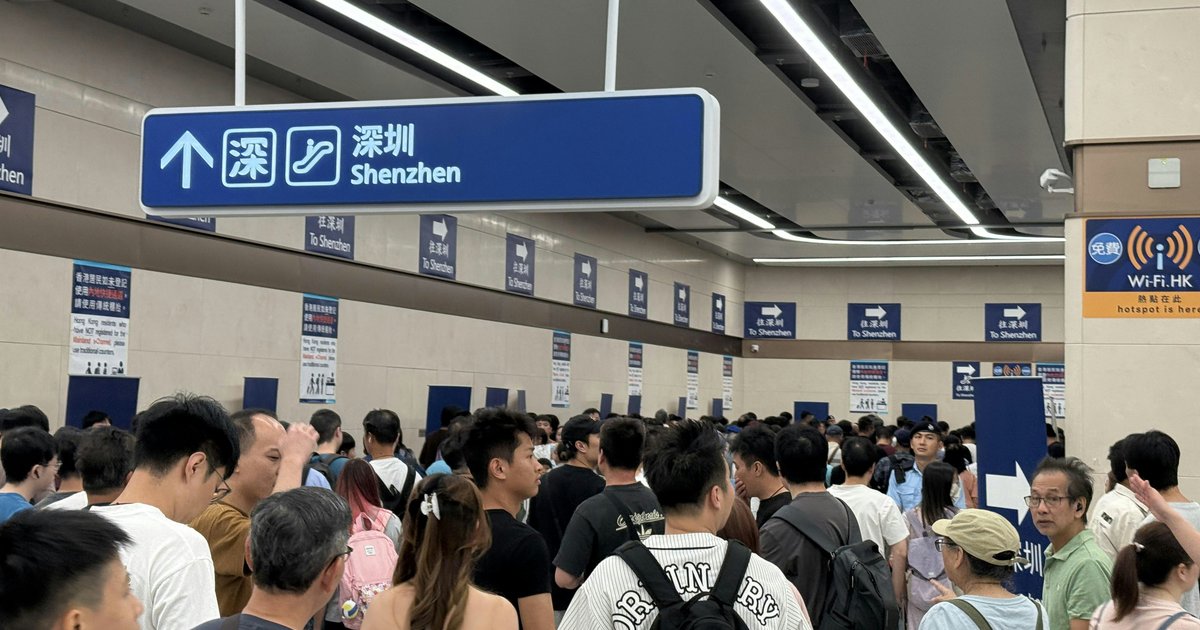
Frontline immigration officers at the newly opened Huanggang Port have written to management reporting critical staff shortages just one week after the port commenced operations on October 19, 2026. The officers describe working conditions where night shifts have only 8 staff covering 10 important positions across a 6-floor command structure, with some personnel working extended shifts without breaks. The Immigration Department has acknowledged the concerns, stating additional staff were hired before the port opened and will continue flexible deployment to address initial operational needs .
Key Points
- Officers' letter reveals that during night shifts, only 8 staff cover 10 critical positions in the 6-floor command room, and duty supervisor rooms on some floors remain vacant
- One immigration officer reportedly worked from 7:15 PM to 3:30 AM without any meal or rest breaks during a recent shift
- The officers cite design flaws including immature "cooperative inspection" channel technology causing frequent breakdowns requiring manual re-processing
- Officers recommend increasing immigration officer staffing to at least 1.5 times current levels per shift and reducing handover frequency
- The Immigration Department confirms it hired additional staff before the port opened and will maintain flexible deployment to meet operational needs
Why It Matters
The staff shortage at one of Hong Kong's newest cross-border ports could affect border clearance efficiency and create recruitment and retention challenges for the civil service, as exhausted frontline workers face ongoing pressure amid high passenger volumes during the initial operational phase .
The staff shortage at one of Hong Kong's newest cross-border ports could affect border clearance efficiency and create recruitment and retention challenges for the civil service, as exhausted frontline workers face ongoing pressure amid high passenger volumes during the initial operational phase .