Senior Home Safety Association Launches AI-Powered Fall Detection Service
SingTao · 1 SOURCES1 day ago6 MIN
Summary
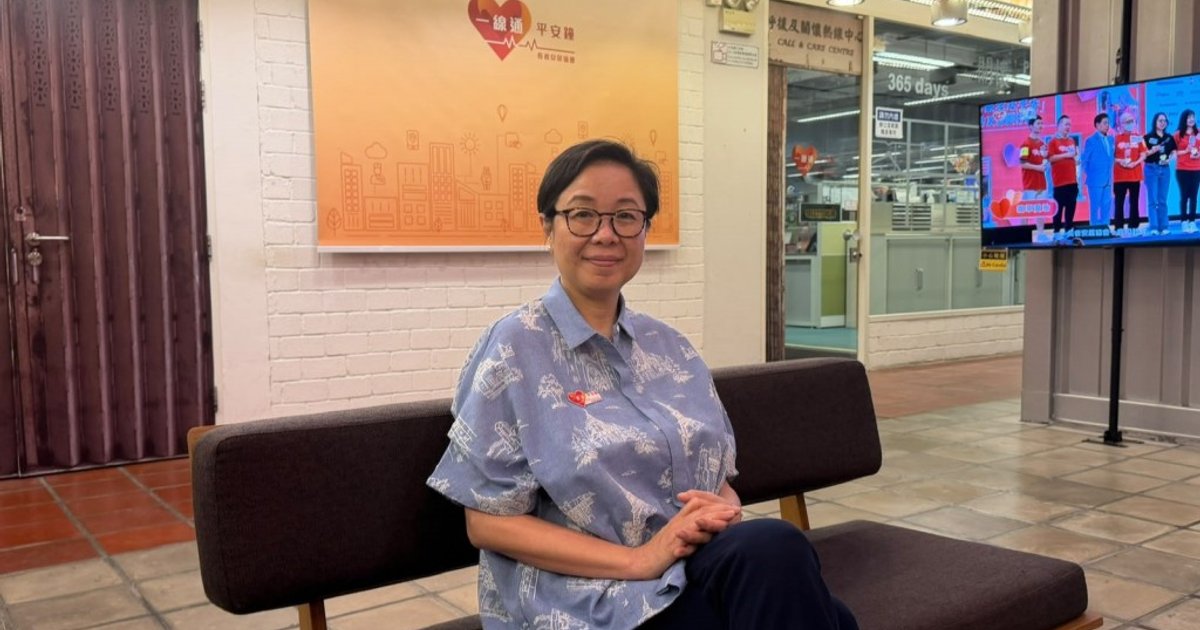
The Senior Citizen Home Safety Association (長者安居協會) announced plans to launch its 'One-Line Active Protection Service' (一線通主動防護服務) by the end of 2026 or early 2027, featuring AI-powered fall detection technology. Association Chief Executive Wong Hung-hung (王虹虹) revealed that the system uses infrared sensing technology to automatically detect when elderly users fall, then connects them to a 24-hour monitoring center for immediate assistance. The service builds upon the association's existing Personal Emergency Link (平安鐘) and Care Manager (管家易) programs, representing a significant advancement in proactive elderly care.
Key Points
- The system employs infrared radar sensors (approximately 4m × 6m coverage per unit) without any video recording, ensuring user privacy while detecting falls automatically
- Installation locations include living rooms, bedrooms, bathrooms, and kitchens, with sensors mounted on walls or ceilings depending on household layout
- When a fall is detected, the system automatically connects to the 24-hour One-Line Personal Emergency Link Service Support Center, allowing staff to communicate directly with users via two-way audio
- Safety protocols include a follow-up call 30 minutes after an incident to confirm the user's wellbeing, even if the initial response indicated no injury
- The service utilizes 4G communication and requires no WiFi, telephone line, or additional equipment, making it accessible for households without internet connectivity
- A trial program launched early in 2026 has installed 1,000 fall detection systems across 500 high-risk households, in partnership with the Labour Department, Hong Kong Exchanges and Clearing Charitable Fund, and other charitable foundations
- The official announcement coincides with the association's 30th anniversary celebration on September 14, 2026
Why It Matters
Hong Kong has one of the world's fastest aging populations, with elderly people living alone facing heightened risks during medical emergencies when they cannot summon help. This AI-driven system represents a shift from reactive emergency response to proactive prevention, potentially reducing mortality and severe injury outcomes among vulnerable seniors. The service's privacy-preserving design and minimal infrastructure requirements could make it scalable across Hong Kong's diverse housing stock, from public housing to private residential units.
Hong Kong has one of the world's fastest aging populations, with elderly people living alone facing heightened risks during medical emergencies when they cannot summon help. This AI-driven system represents a shift from reactive emergency response to proactive prevention, potentially reducing mortality and severe injury outcomes among vulnerable seniors. The service's privacy-preserving design and minimal infrastructure requirements could make it scalable across Hong Kong's diverse housing stock, from public housing to private residential units.