EPD Rejects Paper Subsidy Revival, Defends HK$0.65 Floor
HK01 · 2 SOURCES1 day ago5 MIN
Summary
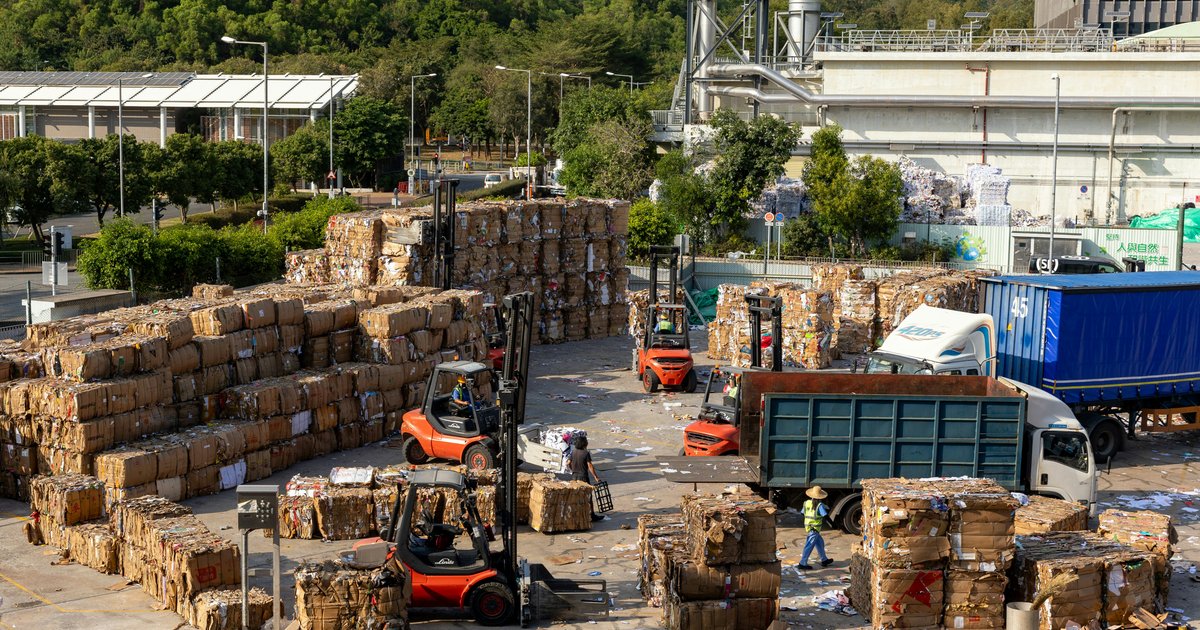
Hong Kong’s Environmental Protection Department said it will not restore subsidies for waste paper exporters or reopen the export route after full local pulping began last month at the Tuen Mun EcoPark mill. The department says the new system has kept overall collection stable, widened the types of paper that can be recycled, and will preserve a frontline purchase floor of HK$0.65 per kilogram.
Key Points
- Assistant Director of Environmental Protection for Waste Management Wong Chi-wah (黃智華) said the department now has a contract with the Tuen Mun pulp mill operator that lets anyone deliver waste paper directly, replacing a system once dominated by just over 10 qualified exporters.
- Wong said Hong Kong processes more than 500,000 tonnes of waste paper a year, while the pulp mill can handle 720,000 tonnes annually; average daily intake has been about 1,400 to 1,500 tonnes, with a one-day peak of 1,900 tonnes in October.
- The department said the mill’s contract purchase price is tied to 55% of Guangdong premium corrugated paper prices, with a current minimum of HK$1,295 per tonne, adjusted monthly but not cut at will.
- Wong said past export-based trading lacked transparency and once saw the recycling chain break down, with purchase prices falling to HK$0.20 per kilogram before the government introduced a designated minimum price.
- Some recyclers said direct delivery to the pulp mill has raised their paper intake by 10% to 15%, because the mill is regulated by the EPD, pricing is more transparent, and operating hours run until midnight.
Why It Matters
The dispute goes beyond industry margins because the HK$0.65 floor affects the income of elderly street collectors and the viability of small neighborhood recycling shops. Whether more operators can adapt to direct delivery, transport costs, and new sorting arrangements will shape how durable Hong Kong’s shift from export-dependent paper recycling to local processing becomes.