Ombudsman urges overhaul of mobile library service locations
Thestandard · 1 SOURCESabout 22 hours ago2 MIN
Summary
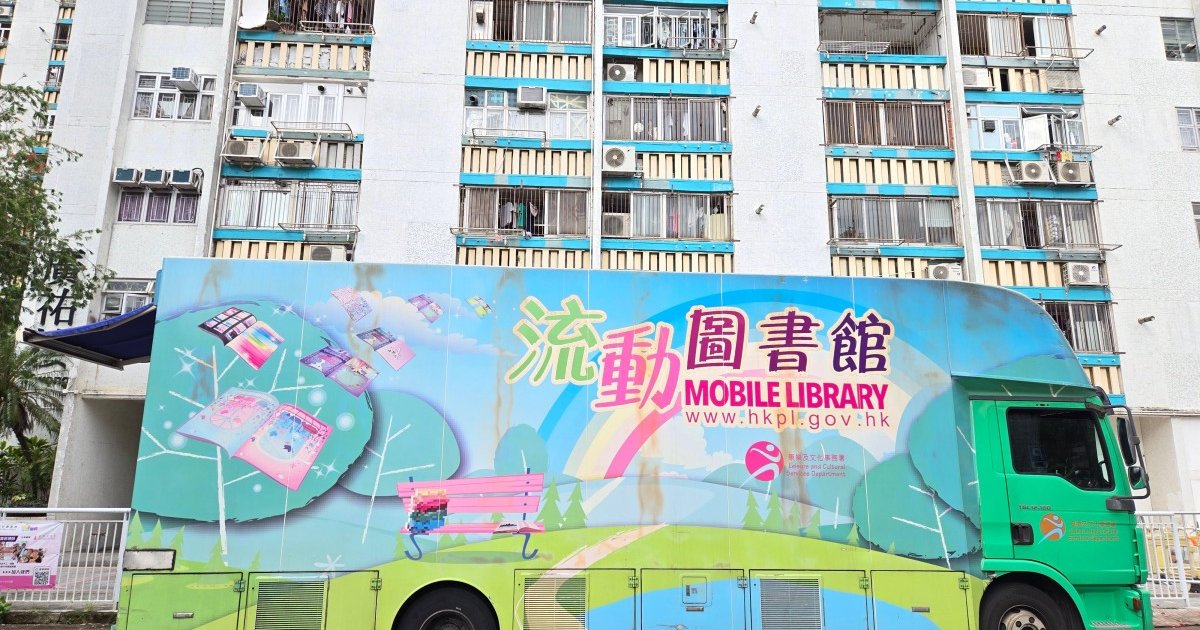
The Office of the Ombudsman has called for improvements to mobile library service location selection after a direct investigation revealed frequent service suspensions and major disparities in visitor numbers across stops . The Leisure and Cultural Services Department currently operates 12 mobile libraries, two Libraries-on-Wheels, and three round-the-clock self-service stations serving 112 locations . Last year these services recorded approximately 575,000 visits and lent around 396,730 items, but patronage varied dramatically from just dozens to several thousand visitors at different public housing estate stops .
Key Points
- The LCSD operates 12 mobile libraries, two Libraries-on-Wheels, and three 24-hour self-service stations across 112 locations .
- Mobile library services recorded roughly 575,000 visits and lent about 396,730 items last year .
- Visitor numbers at public housing estate stops ranged from only a few dozen to several thousand, indicating poor location selection .
- Libraries-on-Wheels made relatively few visits to schools, limiting educational outreach .
- Mainland cities have deployed AI-powered self-service stations in high-traffic areas like metro stations, offering models for Hong Kong .
Why It Matters
The Ombudsman's findings highlight significant inefficiencies in how public library resources are distributed across Hong Kong communities, with some areas receiving inadequate access while others are overserved . The investigation points to a need for technology adoption and better planning to serve students, disadvantaged groups, and ethnic minority communities more effectively .
The Ombudsman's findings highlight significant inefficiencies in how public library resources are distributed across Hong Kong communities, with some areas receiving inadequate access while others are overserved . The investigation points to a need for technology adoption and better planning to serve students, disadvantaged groups, and ethnic minority communities more effectively .