Govt Drops Proxy Vote Cap After Majority Opposition in Building Management Review
HK01 · 4 SOURCESabout 2 hours ago5 MIN
Summary
Home Affairs and Youth Bureau Director Mak Mei-kuan (麥美娟) confirmed on November 7 that the government will not impose a cap on proxy votes under the proposed amendments to the Building Management Ordinance, after more than half of respondents in a public consultation opposed the measure. The proposed 20-proxy limit per person has been shelved indefinitely, with officials acknowledging that enforcement would create insurmountable practical difficulties for owners' corporations. The bureau instead committed to studying electronic authorization systems and enhancing verification procedures to combat abuse and forgery of proxy votes.
Key Points
- The public consultation, launched in August and recently concluded, received approximately 500 submissions, with over half expressing reservations about setting a proxy vote ceiling
- Industry and owners' corporation representatives warned that if a 20-proxy cap were enforced, determining which of 21 received votes exceeded the limit would be impossible to verify objectively
- The government will study developing an electronic authorization system that can precisely record submission timestamps to resolve ranking disputes
- Enhanced verification measures will require both the authorizing owner and proxy holder to sign the document, provide contact information, and acknowledge legal consequences for forgery
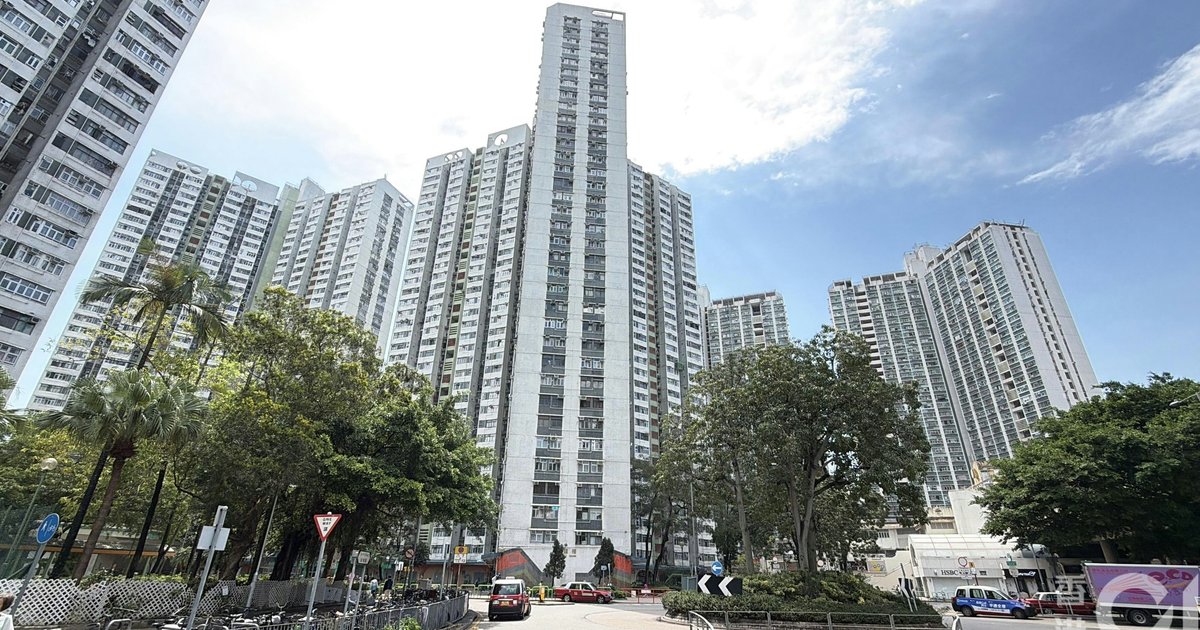
- The Tuen Mun Yat Lok Garden case was cited as an example where law enforcement has taken decisive action against syndicates infiltrating major repair projects
Why It Matters
The decision reflects the government's commitment to ensuring legislation is genuinely implementable rather than theoretically ideal, setting a precedent for pragmatic lawmaking in property management reforms . With major repair projects frequently targeted by bid-rigging syndicates, the focus shifts to technological solutions and strengthened verification rather than numerical restrictions that industry groups deemed unworkable .
The decision reflects the government's commitment to ensuring legislation is genuinely implementable rather than theoretically ideal, setting a precedent for pragmatic lawmaking in property management reforms . With major repair projects frequently targeted by bid-rigging syndicates, the focus shifts to technological solutions and strengthened verification rather than numerical restrictions that industry groups deemed unworkable .