TVB Exposes Cancer Treatment Scam; Victims Spent Millions on Unproven Japan Therapy
SingTao · 3 SOURCESabout 1 hour ago2 MIN
Summary
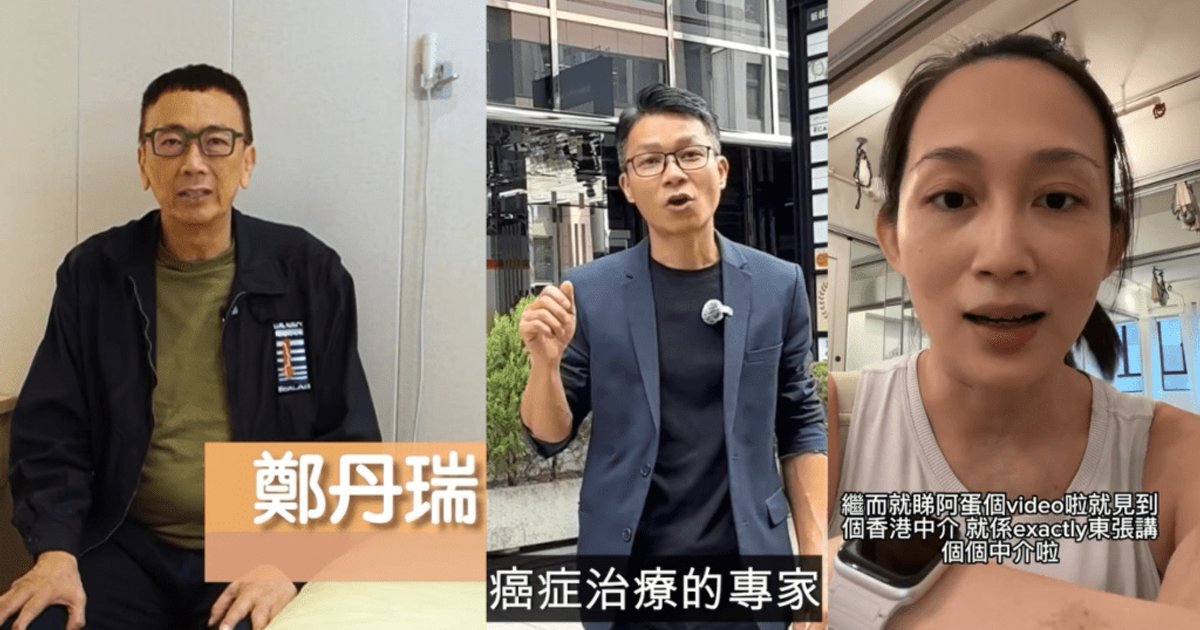
TVB's investigative program Scoop has sparked public outrage after revealing how a Hong Kong man diagnosed with early-stage nasopharyngeal cancer was deceived into spending HK$2.5 million on an unproven "autologous immune cell therapy" in Japan, causing his condition to deteriorate from manageable to terminal . The case has exposed a network of medical intermediaries targeting vulnerable cancer patients, with promotional content appearing on popular Hong Kong YouTube channels including Health Dan and JOY TV, both of which have since removed their related videos . A second victim family reportedly died after spending over HK$1 million on the same treatment following recommendations from these channels .
Key Points
- Mr. Cheung was diagnosed with early-stage nasopharyngeal cancer in August 2022 but refused conventional radiotherapy and chemotherapy due to fear of side effects, relying only on traditional Chinese medicine
- A local medical intermediary promoted "autologous immune cell therapy" claiming to eliminate cancer cells without chemo or radiotherapy, charging HK$160,000 per injection with a "guarantee under HK$1 million" for the full treatment course
- After receiving 15 injections over multiple trips to Japan, Mr. Cheung's cancer progressed to Stage 4A with bone metastasis and vision-threatening optic nerve compression, despite being told his condition was "under control"
- Former HKBU "E Goddess" Yeung Yin (Yang Yin) revealed her family was nearly trapped by the same scheme when researching cancer treatment options during her pregnancy, with the intermediary charging HK$8,000 for a single video consultation
- Clinical oncologist Dr. Li Yu-cong publicly condemned the therapy as "completely absurd and medically thoroughly erroneous"
Why It Matters
This case highlights how desperate cancer patients and their families become targets for predatory marketing of unproven treatments, particularly when promoted by trusted public figures on social media platforms . The removal of promotional content from major YouTube channels raises questions about the accountability of influencers who monetize health-related content without proper verification of medical claims. Hong Kong medical authorities may face increased pressure to regulate medical tourism intermediaries and issue clearer public warnings about overseas treatments that lack evidence-based clinical support .
This case highlights how desperate cancer patients and their families become targets for predatory marketing of unproven treatments, particularly when promoted by trusted public figures on social media platforms . The removal of promotional content from major YouTube channels raises questions about the accountability of influencers who monetize health-related content without proper verification of medical claims. Hong Kong medical authorities may face increased pressure to regulate medical tourism intermediaries and issue clearer public warnings about overseas treatments that lack evidence-based clinical support .