Gout Candy Found With Hidden Drug Impurity
On.cc · 1 SOURCESabout 2 hours ago2 MIN
Summary
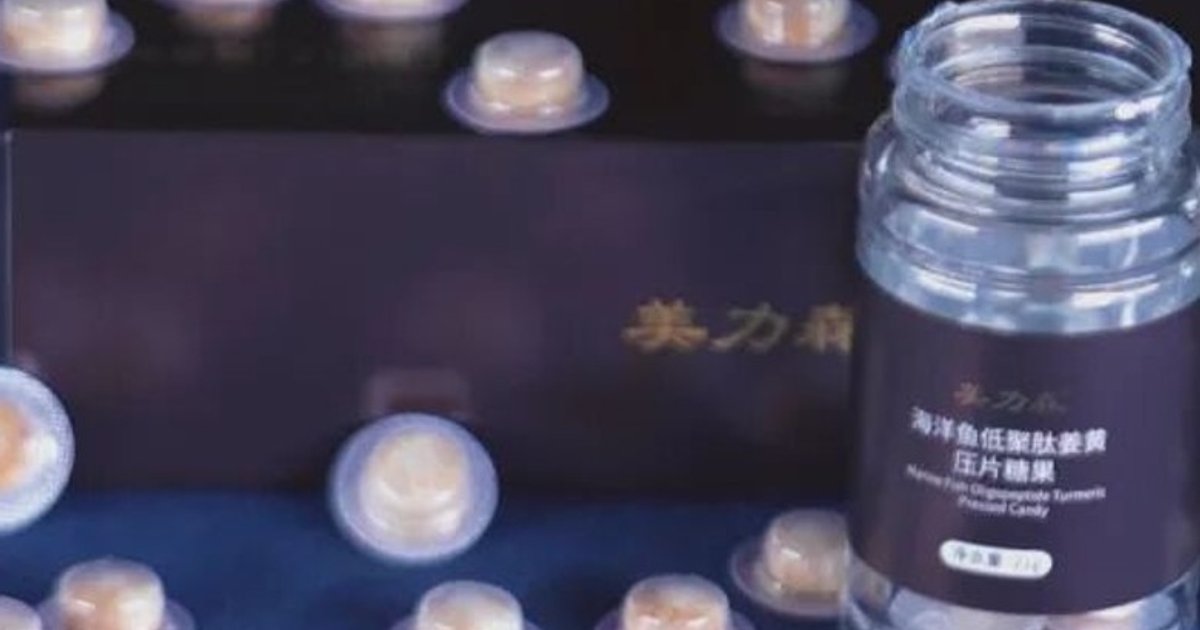
A consumer complaint in Hangzhou, Zhejiang, led regulators to uncover so-called “gout candy” that had been illegally adulterated with a prescription-drug impurity. The product was marketed as highly effective against gout, and sales staff even suggested it could replace prescribed medicine. Investigators eventually identified the additive as an isopropyl derivative of febuxostat, commonly known as febuxostat impurity K, marking the first time it had been detected in food in mainland China. The company involved was stripped of its food production licence, fined 380 million yuan, and the responsible people were pursued for criminal liability.
Key Points
- A consumer in Hangzhou, identified as Xiao Zhou, paid 1,196 yuan for the candy after it was promoted as having remarkable effects on gout.
- Sales staff advised Xiao Zhou to use the product instead of prescription medicine, despite it being sold as candy rather than a regulated drug.
- After two weeks of use, Xiao Zhou reported yellow, foamy urine and occasional heart palpitations, then filed a complaint with Qiantang district market regulators.
- Routine statutory testing initially found nothing, but spectrum comparison later revealed febuxostat impurity K, an isopropyl derivative of the gout drug febuxostat.
- Investigators traced the case to a pharmaceutical technology company in Guangzhou, where records showed costly fruit-and-vegetable powder used to conceal the adulteration.
Why It Matters
For Hong Kong consumers, the case is a warning that products marketed as health foods or sweets may be promoted with drug-like claims while evading normal expectations for medicine oversight. The report also shows how adulterants can be designed to avoid routine testing, raising concerns for cross-border purchases of supplements and specialty foods.