Xi-US summit may hinge on tariffs and yttrium
SingTao · 2 SOURCESabout 2 hours ago2 MIN
Summary
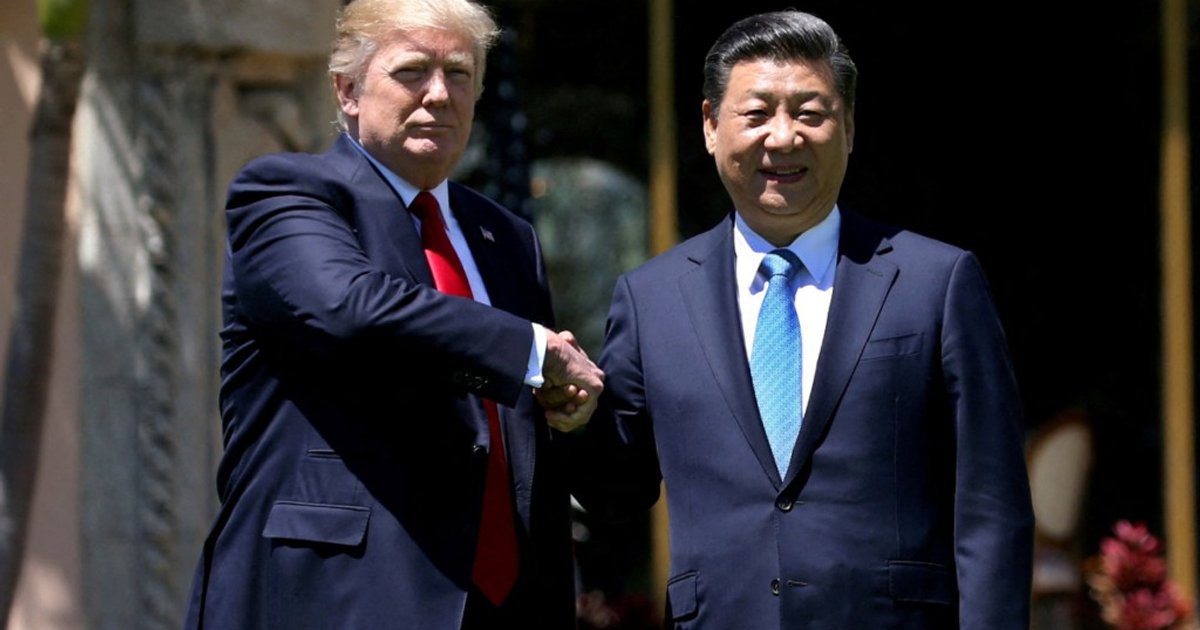
Chinese President Xi Jinping is expected to travel to the United States on September 24 for a meeting with US President Donald Trump, according to one report, while another says Trump has stated Xi will visit the White House next Thursday and Beijing has not yet officially confirmed the trip. Ahead of the expected summit, Bloomberg reported that the two sides are discussing tariff reductions on selected goods, including US energy and agricultural exports to China, as well as lower duties on Chinese raw materials and components used by US manufacturers. At the same time, a Reuters columnist said China’s grip on yttrium supply may make the rare-earth metal a major issue in the talks because of its importance to semiconductors, lasers, displays and jet-engine thermal barrier coatings. Together, the reports suggest the summit could test whether a year-long trade truce can be extended while both sides continue to use targeted economic leverage.
Key Points
- Sing Tao reported Xi is expected to visit the United States on September 24 to meet Trump, while Trump separately said Xi would arrive at the White House next Thursday.
- Bloomberg, cited by Commercial Radio Hong Kong, said both governments are discussing tariff cuts on some goods, including US energy and farm exports to China
- The same report said the talks may also reduce tariffs on Chinese raw materials and components used by US manufacturers under a previously designed US$30 billion plan
- Reuters columnist Andy Home wrote that yttrium is strategically important because it is used in displays, semiconductors, lasers and coatings protecting jet engines from extreme heat
- China imposed export controls on yttrium and six other rare earths in April last year, and US buyers later faced unstable supply, renewed stoppages and severe shortages by February
Why It Matters
For Hong Kong readers, the summit matters because any easing or renewed disruption in China-US trade can quickly affect regional manufacturing sentiment, supply-chain planning and export-related business confidence. The focus on both tariff relief and strategic minerals also shows that negotiations are no longer only about headline duties, but about access to critical industrial inputs that shape global production risks.