Environment Chief Defends 2030 Air Quality Targets Amid Regional Challenges
Thestandard · 2 SOURCES1 day ago2 MIN
Summary
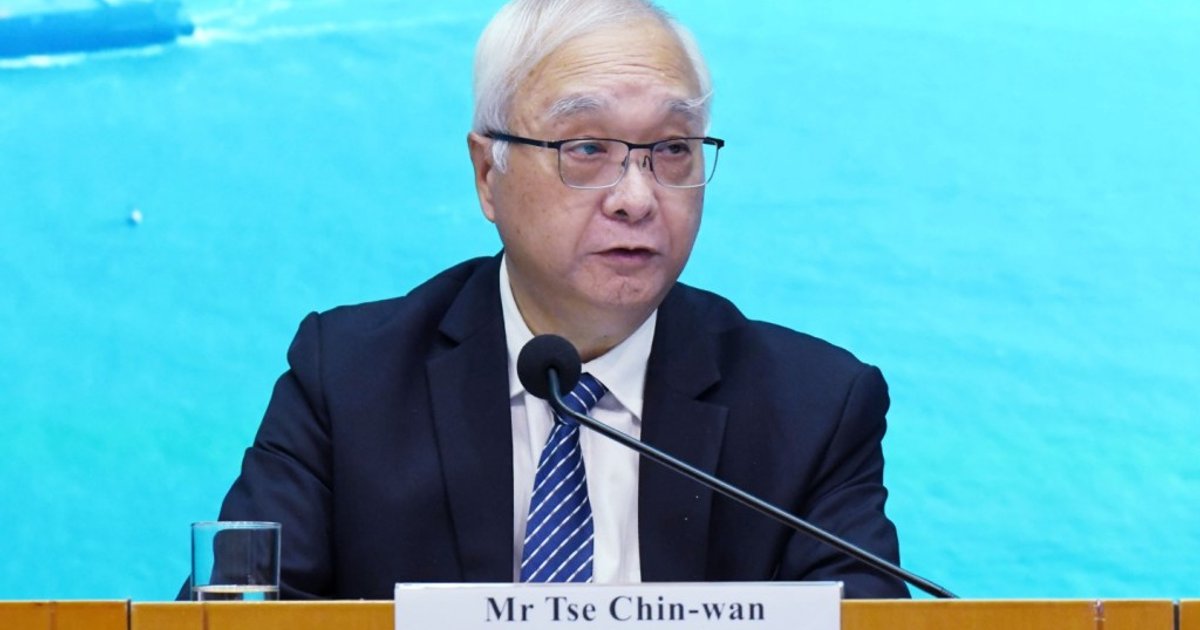
Hong Kong's Secretary for Environment and Ecology Tse Chin-wan has defended the city's goal to reduce PM2.5 concentration to below 14 micrograms per cubic meter by 2030 under the First Five-Year Development Plan. During a briefing with the Advisory Council on the Environment, Tse noted that Hong Kong's current annual average PM2.5 levels are already comparable to the upper-middle tier of European regions, and can align with international standards. While acknowledging that further reductions will be highly challenging due to regional factors, Tse expressed confidence that final outcomes would surpass current projections.
Key Points
- Vehicle emissions remain the primary source of local air pollution, though adoption of electric vehicles has significantly improved the situation
- The government plans to amend legislation next year to mandate tighter emission standards for marine vessels, and strengthen regional cooperation with Guangdong province
- Hong Kong aims to cease new registrations of fuel-propelled and hybrid private cars by 2035, a target Tse said applies strictly to private passenger vehicles
- A government task force is collaborating with major manufacturers to develop electric light buses tailored to Hong Kong's terrain, with an announcement expected early next year
- The government is promoting hydrogen energy use at construction sites, with plans to cut transportation costs by one quarter through liquid transport methods
Why It Matters
The Five-Year Development Plan establishes Hong Kong's first comprehensive air quality targets, signalling the government's commitment to environmental management. Success in meeting these targets would not only improve public health outcomes but also position Hong Kong as a model for sustainable urban development in the region.
The Five-Year Development Plan establishes Hong Kong's first comprehensive air quality targets, signalling the government's commitment to environmental management. Success in meeting these targets would not only improve public health outcomes but also position Hong Kong as a model for sustainable urban development in the region.