McKinsey Survey: Nearly Half of Hong Kong Customers Consult AI Before Buying Financial Products
On.cc · 2 SOURCESabout 5 hours ago2 MIN
Summary
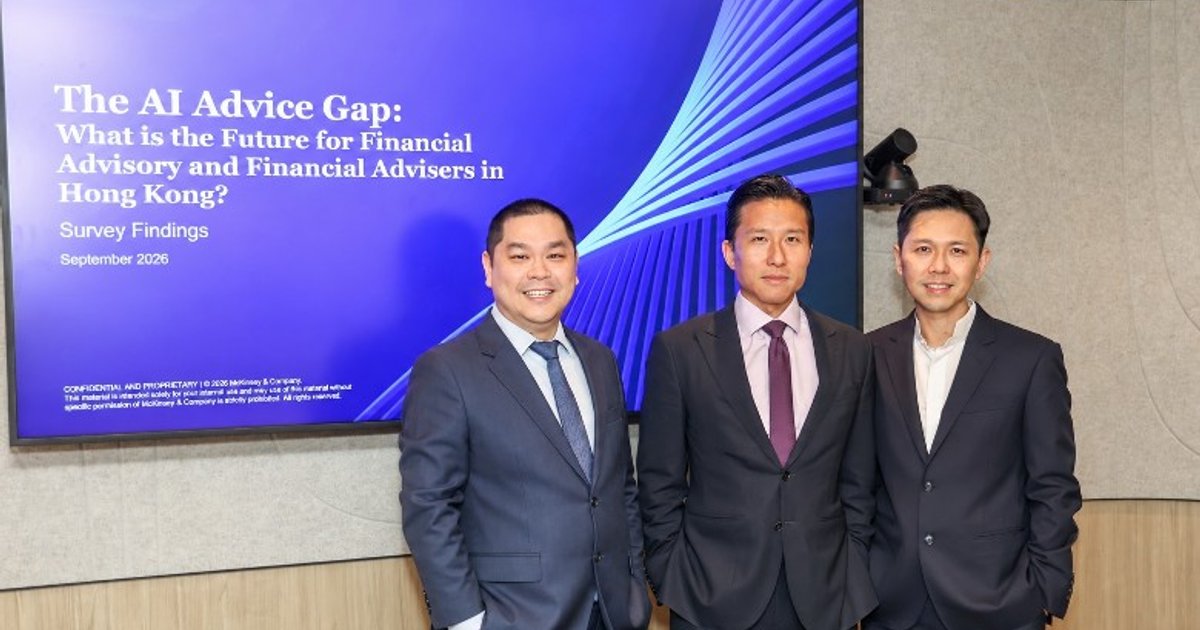
McKinsey & Company's latest survey highlights a growing disparity in Hong Kong's financial services sector: while nearly half of customers now consult AI before making purchase decisions, half of financial advisors use AI less than once per week or not at all. Despite this, approximately 80% of customers purchasing major life, health, and wealth management products continue to rely primarily on financial advisors for their expertise and judgment. The consulting giant's findings suggest the industry must shift focus from overcoming advisor resistance to developing practical AI tools that seamlessly integrate into daily advisory work.
Key Points
- 49% of surveyed customers in Hong Kong consulted AI before purchasing financial products, using it primarily to identify financial needs (35%), compare products (34%), and make purchase decisions (30%)
- Approximately 80% of customers buying significant life, health, or wealth management products still rely mainly on financial advisors, with 43% seeking personal situation understanding and 41% wanting help avoiding costly mistakes
- 50% of financial advisors reported using AI less than once per week or not at all, while only 14% use AI on four or more days per week; 46% cited lack of confidence in applying AI professionally
- AI adoption rates vary dramatically by client segment: advisors serving mass-market clients show 34% weekly AI use, compared to 58% for affluent clients and 69% for high-net-worth clients
- McKinsey estimates effective AI use could reduce advisors' workload by 30%, allowing more client meetings and potentially increasing quoted prices by 10-20%
Why It Matters
The survey underscores that AI serves as a complement rather than a replacement for human financial advisors in Hong Kong's market. Financial institutions face an urgent imperative to develop practical AI tools that address real advisory workflows, particularly for front-line customer relationship management, or risk widening the service gap between AI-informed clients and under-equipped advisors.
The survey underscores that AI serves as a complement rather than a replacement for human financial advisors in Hong Kong's market. Financial institutions face an urgent imperative to develop practical AI tools that address real advisory workflows, particularly for front-line customer relationship management, or risk widening the service gap between AI-informed clients and under-equipped advisors.