Coca-Cola launches recycling academy amid awareness gap
Bastillepost · 3 SOURCES1 day ago2 MIN
Summary
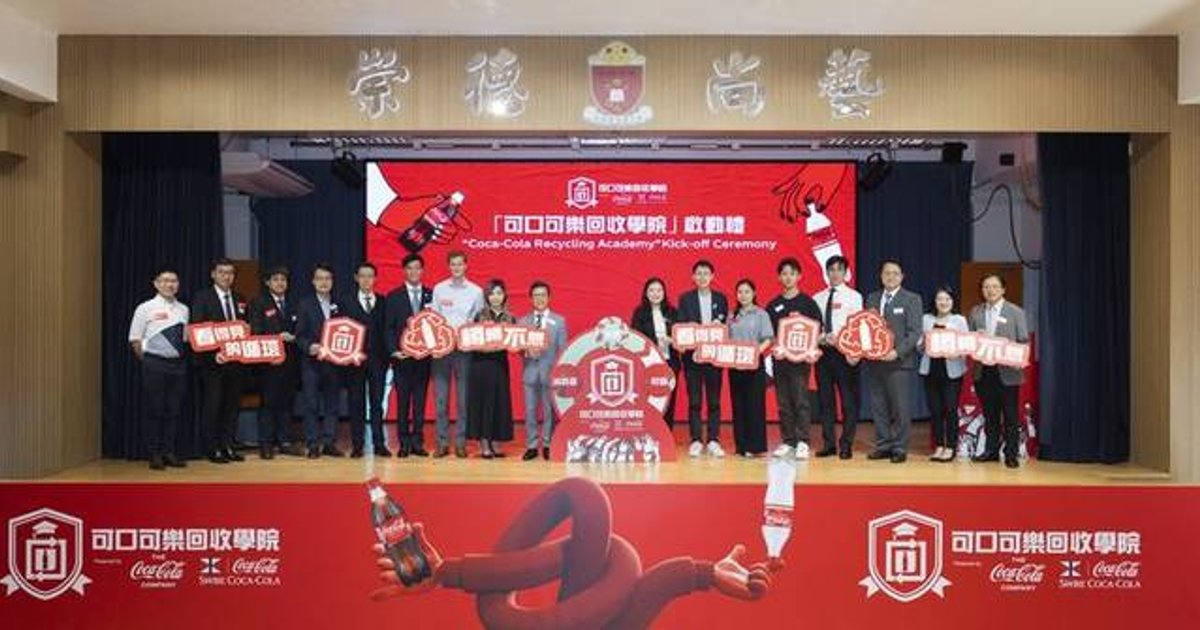
Coca-Cola Hong Kong on October 21 launched the “Coca-Cola Recycling Academy”, bringing together government representatives, district leaders, recycling industry participants and educators at the official kick-off event. The company said the programme is designed around “visible circulation”, aiming to show the public what happens after bottles are collected and how used plastic bottles can be processed locally into recycled plastic and then remade into new bottles. A September survey of 5,492 consumers found that 21.5% did not know Hong Kong has facilities capable of turning collected plastic bottles into recycled plastic, while 21.7% worried recyclables might still end up in landfill. After learning about the city’s local recycling capability, 81.7% of respondents said they would be more willing to recycle plastic bottles
Key Points
- The September online survey, conducted through Coca-Cola’s COKE+ membership programme, polled 5,492 consumers about recycling habits and knowledge of the “second half” of recycling
- Nearly 70% of respondents said they try to recycle beverage bottles and cans, but 21.7% remained concerned collected items may not be properly handled.
- Among respondents, 21.5% said they did not know Hong Kong has facilities that can convert recovered plastic bottles into recycled plastic for reuse.
- Coca-Cola said respondents who knew about local bottle-recycling facilities were more than 20% more likely to report increased recycling over the past year
- The academy’s campus pilot includes a free 10-hour interactive teaching pack for secondary students, with content reviewed by The Loops Hong Kong and produced by Game Noodles
Why It Matters
For Hong Kong readers, the initiative points to a practical barrier in recycling: not only collection access, but also public confidence in what happens after waste is dropped off. If schools and community programmes can make the local recycling chain more visible, that could help turn existing environmental awareness into more consistent daily recycling behaviour.