US Weighs Delay of Taiwan Arms Sales Until After Apec and G20 Summits
SCMP · 2 SOURCESabout 2 hours ago2 MIN
Summary
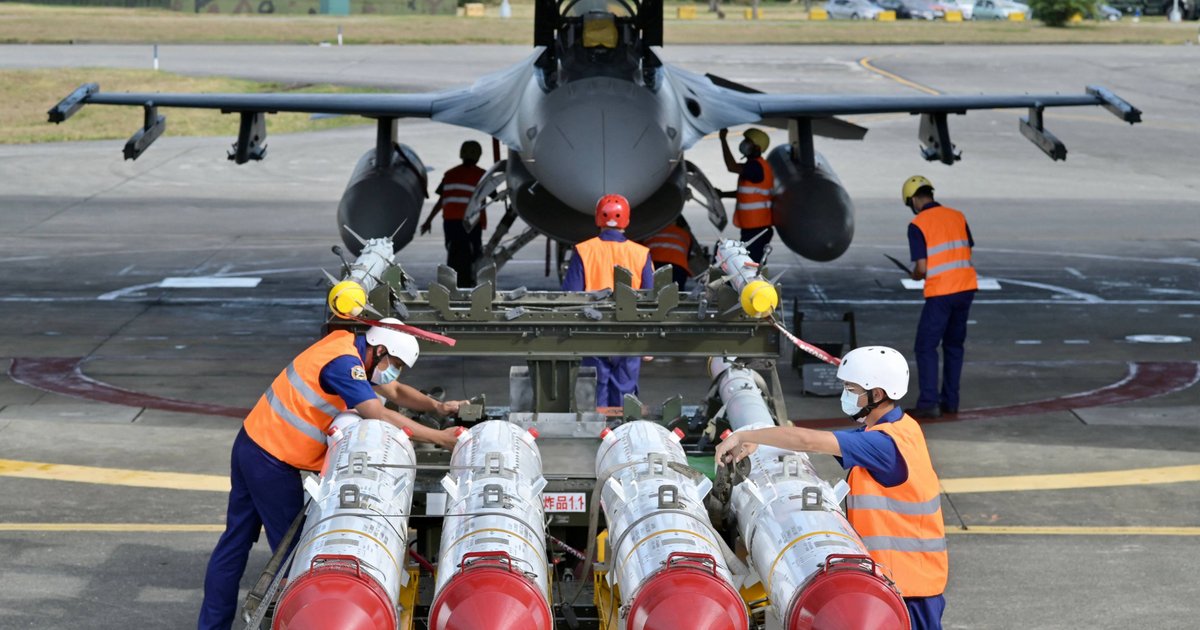
The United States is considering postponing the announcement of major arms sales to Taiwan until after November's Apec summit in Shenzhen and December's G20 summit in Florida, multiple sources told the South China Morning Post. The potential delay comes as Chinese President Xi Jinping prepares to travel to Washington next week for a state visit. The sources indicated a strong possibility that President Trump could extend the delay through the end of the year, pointing to planned bilateral meetings between the two leaders at both summits. One source described the final outcome as a "compromise between him, the China hawks and Taiwan's lobbyists."
Key Points
- Washington suspended approval of approximately $14 billion (HK$1,092 billion) in arms sales to Taiwan in May, before Trump's visit to China, and Trump has not yet given the green light
- Trump initially considered delaying the Taiwan arms sales decision until the end of 2028 or January 2029, near the end of his current term, but faced very loud opposition from hawks
- Some China hawks have suggested a phased approach: approving smaller arms sales to Taiwan first, which Beijing would oppose but might not retaliate against severely
- Taiwan's weapons orders face massive delivery backlogs as American defence contractors prioritize urgent US military replenishment and active combat theatres, especially in the Middle East
- China and the US are discussing resuming military communication channels and restarting arms control negotiations suspended since 2024 due to US arms sales to Taiwan
Why It Matters
The timing of US arms sales to Taiwan has become a diplomatic flashpoint ahead of high-level talks between Xi and Trump. Beijing views Taiwan as part of China to be reunified by force if necessary, while Washington opposes any forceful change to the status quo. For Hong Kong readers, tensions over Taiwan underscore the broader US-China strategic competition that directly affects global markets and regional stability, including Hong Kong's position as a financial hub between the two superpowers .
The timing of US arms sales to Taiwan has become a diplomatic flashpoint ahead of high-level talks between Xi and Trump. Beijing views Taiwan as part of China to be reunified by force if necessary, while Washington opposes any forceful change to the status quo. For Hong Kong readers, tensions over Taiwan underscore the broader US-China strategic competition that directly affects global markets and regional stability, including Hong Kong's position as a financial hub between the two superpowers .