Hong Kong Can Help Chinese Green Tech Firms Overcome Capital Bottlenecks, Forum Hears
SingTao · 1 SOURCESabout 1 hour ago6 MIN
Summary
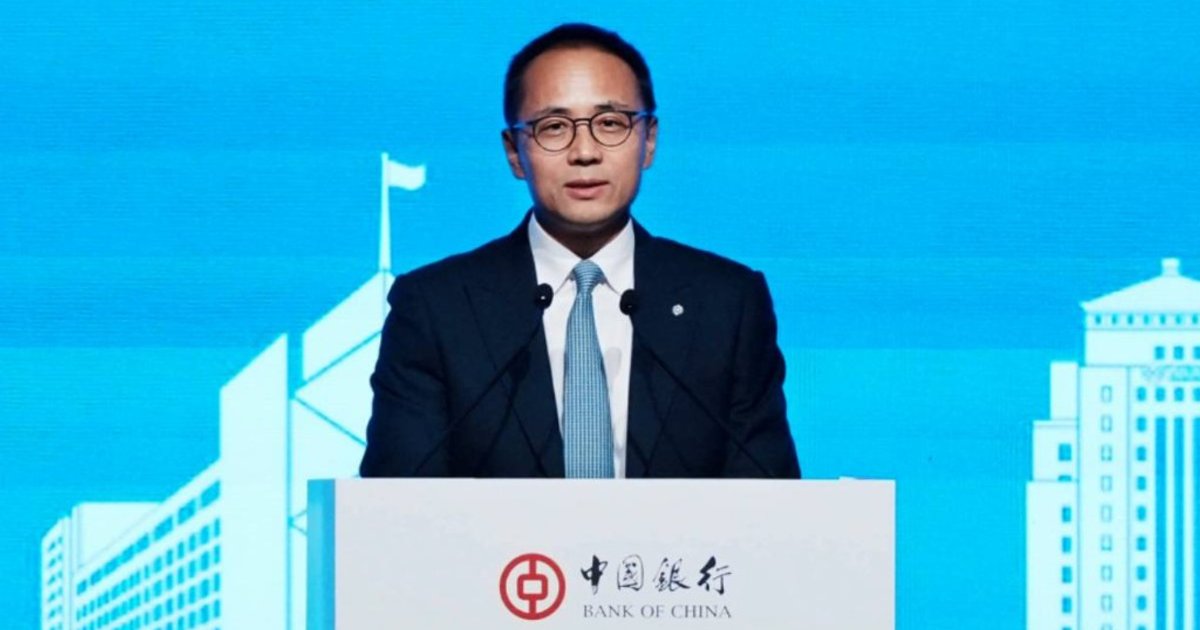
Bank of China (Hong Kong) Vice President Wang Huabin (王化斌) told the Greater Bay Area Green Finance Alliance Annual Forum on September 7 that Chinese green technology firms face critical capital bottlenecks when attempting to expand into Belt and Road and Global South markets. Despite China leading globally in solar panels, wind energy, batteries, electric vehicles, energy storage, and hydrogen technology, most green projects are capital-intensive with long return periods, and emerging market capital markets are too small and illiquid to support them. Wang outlined three ways Hong Kong can bridge this financing gap, while other banking executives emphasized the role of financial innovation and public-private partnership in addressing climate challenges.
Key Points
- Chinese green tech leads globally in solar, wind, batteries, EVs, storage, and hydrogen, yet faces capital bottlenecks when expanding abroad
- Only about 10% of green projects in emerging markets can obtain bank financing, constraining international expansion
- Hong Kong has ranked first in Asia's green and sustainable bond market for eight consecutive years, holding approximately 40% regional market share
- Companies can raise financing in Hong Kong at 2%-3% cost, significantly lower than 10% typical in emerging markets, creating a clear arbitrage opportunity
- HSBC has established a US$4 billion dedicated fund to help mainland Chinese enterprises expand overseas through Hong Kong
- Standard Chartered completed €540 million water infrastructure financing in Angola in August, providing clean drinking water to 5 million people
Why It Matters
With China generating approximately 60% of its electricity from new energy sources—serving as a model for global energy transition—Hong Kong's financial infrastructure can help scale these solutions across developing nations . The Green Accelerator launch positions Hong Kong as a key node in channeling capital toward sustainable infrastructure, while the US$4 billion HSBC fund and other financing mechanisms demonstrate how public-private collaboration can address the structural barriers facing emerging market green projects .
With China generating approximately 60% of its electricity from new energy sources—serving as a model for global energy transition—Hong Kong's financial infrastructure can help scale these solutions across developing nations . The Green Accelerator launch positions Hong Kong as a key node in channeling capital toward sustainable infrastructure, while the US$4 billion HSBC fund and other financing mechanisms demonstrate how public-private collaboration can address the structural barriers facing emerging market green projects .