Tai JIH Elevator Scandal: 152 Buildings Found Without Fire-Rated Components
SingTao · 2 SOURCESabout 3 hours ago2 MIN
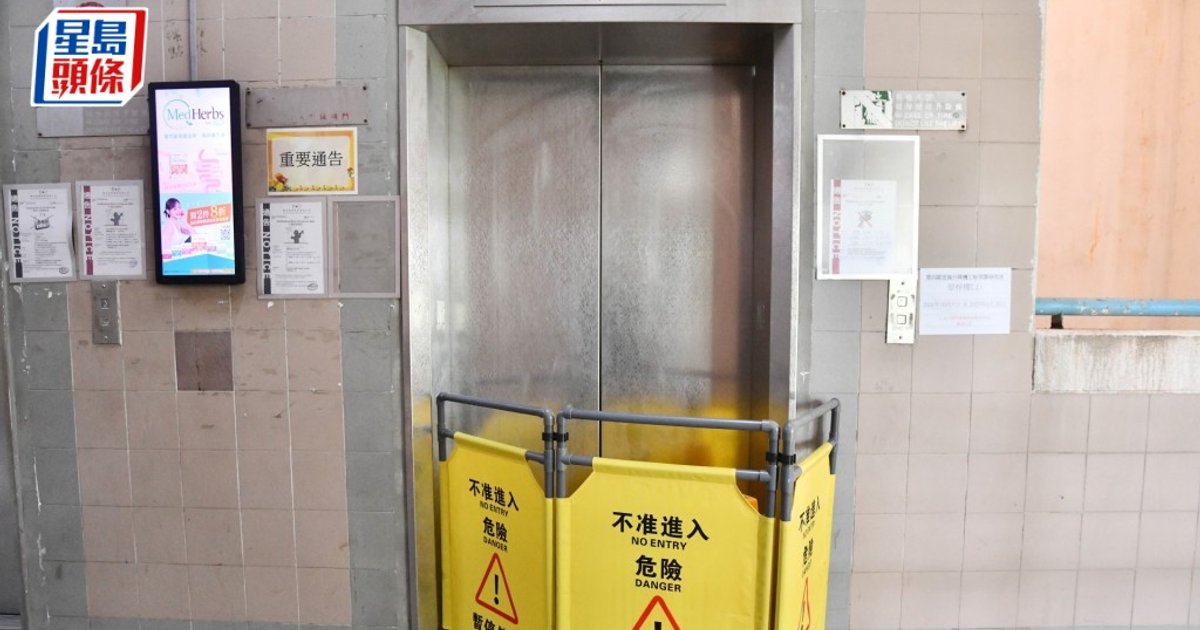
Summary
The Electrical and Mechanical Services Department (EMSD) announced on October 18, 2026 that inspections of 197 buildings fitted with elevators by contractor Tai JIH Elevator (HK) Co. Ltd. revealed 152 buildings—approximately 77%—were missing required fire-resistant door frame components . The discovery has sparked concerns about industry practices and regulatory oversight, with industry professionals suggesting the high non-compliance rate likely reflects deliberate cost-cutting rather than innocent error .
Key Points
- EMSD inspections over three days found 152 out of 197 buildings with Tai JIH elevators lacked fire-resistant door frame components
- A separate inspection of 38 buildings with elevators from other contractors found no similar issues, suggesting this is not industry-wide practice
- He Yongye, Adjunct Professor in Electrical and Electronic Engineering at Hong Kong Polytechnic University, stated the 77% non-compliance rate indicates likely 'cutting corners for profit' rather than accidental oversight
- Szeto Ka-shing, former Chairman of the Mechanical, Marine, Naval Architecture & Chemical Division of the Hong Kong Engineering Institution, attributed the problem partly to industry fragmentation where workers adopt a 'mind your own business' attitude
- One registered elevator engineer has been arrested in connection with the case, though prosecution under Hong Kong common law requires proving deliberate intent
- The Housing Authority, which recently voted to hire Tai JIH for elevator replacement at Tai Po Fu Heng Estate, had no prior indication of problems as professional assessments showed no defects
Why It Matters
The incident exposes fundamental weaknesses in Hong Kong's elevator inspection regime, which currently relies heavily on the 'trust system' where registered engineers self-certify compliance . With the EMSD now mandating comprehensive inspections of all elevators installed over the past nine years, the outcome will determine whether Hong Kong needs fundamental reform of its elevator safety oversight mechanism, potentially affecting tens of thousands of elevators across the territory .
The incident exposes fundamental weaknesses in Hong Kong's elevator inspection regime, which currently relies heavily on the 'trust system' where registered engineers self-certify compliance . With the EMSD now mandating comprehensive inspections of all elevators installed over the past nine years, the outcome will determine whether Hong Kong needs fundamental reform of its elevator safety oversight mechanism, potentially affecting tens of thousands of elevators across the territory .