AI-Generated Journey to the West Debuts on Prime-Time TV, Reshaping China's Entertainment
SCMP · 2 SOURCESabout 4 hours ago3 MIN
Summary
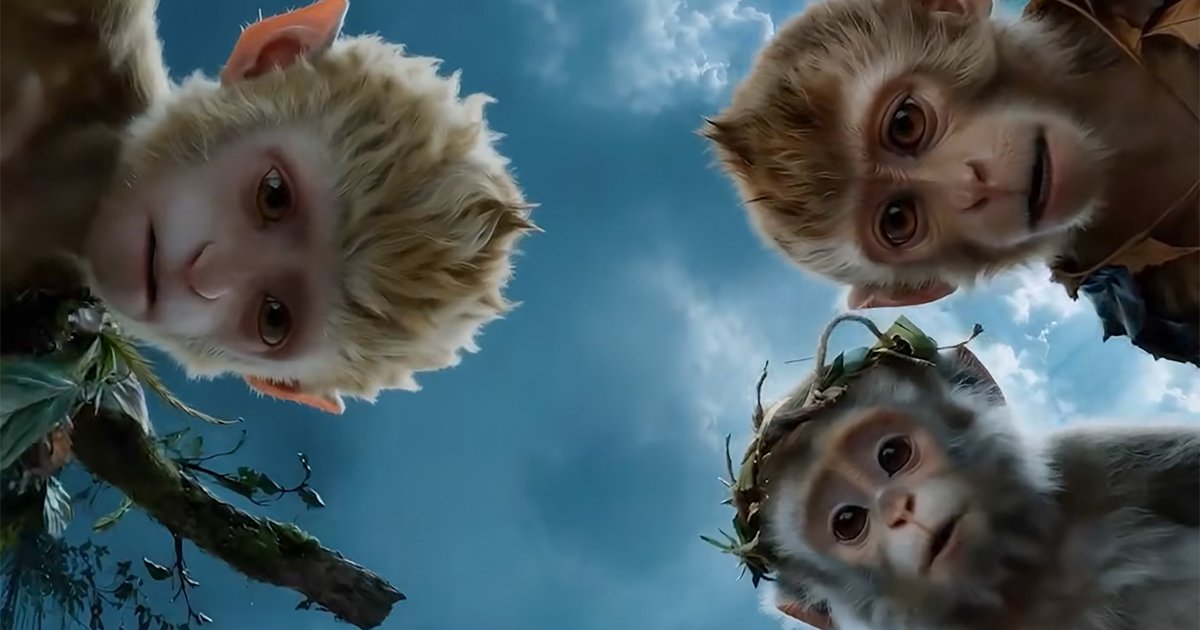
China's entertainment sector is experiencing a seismic shift as artificial intelligence-generated video dramas transition from social media experiments to prime-time television. A landmark fully AI-produced adaptation of Journey to the West debuted on Hunan Satellite Television this week, demonstrating the technology's maturation and policy support. The 30-episode series, produced in just three months, sent shockwaves through markets with Mango Excellent Media shares hitting their 20% daily trading limit twice in a single week. Industry experts and market data confirm AI drama is no longer a novelty but a mainstream force reshaping content creation and investor sentiment across China's media landscape.
Key Points
- The AI-generated Journey to the West adaptation premiered on Hunan Satellite Television and its streaming platform Mango TV, featuring 30 episodes of approximately 40 minutes each
- Production moved from commission to broadcast in three months, with ongoing refinement of later episodes based on audience feedback as the series airs
- Mango Excellent Media shares hit the 20% daily trading limit twice in one week, adding more than 13 billion yuan (US$1.9 billion) to its market value
- According to the China Netcasting Services Association, over 74% of the 367,000 microdramas released in the first half of 2026 were AI-generated, averaging more than 1,500 daily
- A 10-person team can now produce a 100-minute vertical drama in one week, while sophisticated long-form productions can advance at a rate of one 45-minute episode per week
- Beijing-based producer Guo Guo stated, "AI drama is going mainstream," noting this debut signals clear policy support for the technology
- Analysis suggests AI short dramas function as "emotional fast food," offering viewers quick psychological relief through repetitive narrative patterns of humiliation and reversal
- Industry observer Liu Zhanhao noted that "viewers can be surprisingly immune to the glitches" in AI-generated content
Why It Matters
This development signals a fundamental transformation of China's entertainment industry, where AI-generated content has evolved from experimental social media clips to serious prime-time programming backed by major state broadcasters and institutional investors. For Hong Kong audiences and media professionals, the success of AI drama on mainland platforms foreshadows potential shifts in regional content production, as production costs plummet and viewer expectations for high-quality visuals rise. The phenomenon also raises broader questions about creative labor, cultural production, and the psychological role of formulaic entertainment in societies experiencing economic and social pressures.
This development signals a fundamental transformation of China's entertainment industry, where AI-generated content has evolved from experimental social media clips to serious prime-time programming backed by major state broadcasters and institutional investors. For Hong Kong audiences and media professionals, the success of AI drama on mainland platforms foreshadows potential shifts in regional content production, as production costs plummet and viewer expectations for high-quality visuals rise. The phenomenon also raises broader questions about creative labor, cultural production, and the psychological role of formulaic entertainment in societies experiencing economic and social pressures.