US Sanctions ICC President Tomoko Akane Amid Escalating Legal Clash
SCMP · 2 SOURCESabout 2 hours ago2 MIN
Summary
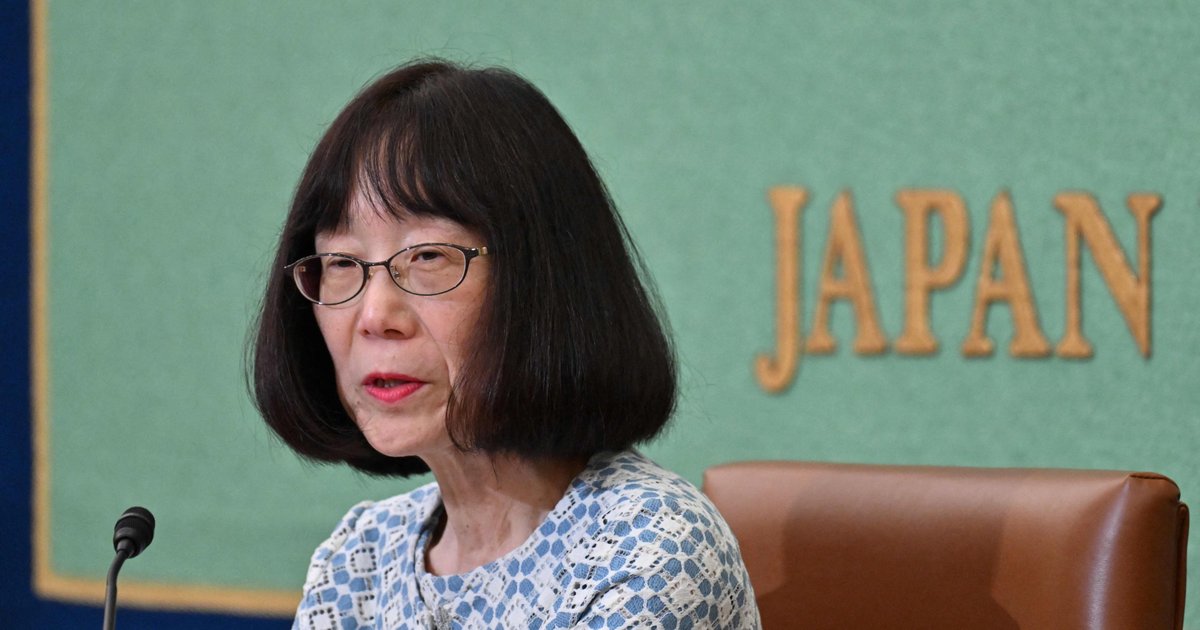
The United States imposed sanctions on Tuesday on International Criminal Court President Tomoko Akane and Senior Trial Lawyer Abdoulaye Seye, the latest move in the Trump administration's escalating campaign against the tribunal based in The Hague. US Secretary of State Marco Rubio announced the measures under a Trump executive order authorizing sanctions against ICC officials . Japan, the ICC's largest financial contributor, voiced strong opposition to the sanctions, with Foreign Ministry press secretary Toshihiro Kitamura calling the measures "very unfortunate" . The ICC responded with a stern condemnation, stating that when judicial actors face threats for applying the law, the entire international legal order is placed at risk .
Key Points
- Tomoko Akane, a Japanese judge who serves as ICC president, and Abdoulaye Seye, a Senegalese senior trial lawyer, were targeted under Tuesday's sanctions
- The sanctions freeze any US assets the individuals hold and sever their access to the American financial system
- Seye was part of the prosecution team that sought an arrest warrant for Israeli Prime Minister Benjamin Netanyahu and former defence minister Yoav Gallant
- Japan has "consistently supported the ICC" and expressed concern that the measures undermine efforts to prosecute serious international crimes
- Akane warned in December that such sanctions would "rapidly undermine the court's operations in all situations and cases, and jeopardise its very existence"
Why It Matters
The sanctions represent a direct assault on the ICC's independence and ability to prosecute war crimes, genocide, and crimes against humanity without political interference . With the court's largest funder now publicly opposing the measures and the institution itself warning of existential threat, the confrontation between Washington and the ICC risks setting a dangerous precedent for international justice .
The sanctions represent a direct assault on the ICC's independence and ability to prosecute war crimes, genocide, and crimes against humanity without political interference . With the court's largest funder now publicly opposing the measures and the institution itself warning of existential threat, the confrontation between Washington and the ICC risks setting a dangerous precedent for international justice .