Shanxi rape case reversed as suspects charged
SingTao · 2 SOURCESabout 1 hour ago2 MIN
Summary
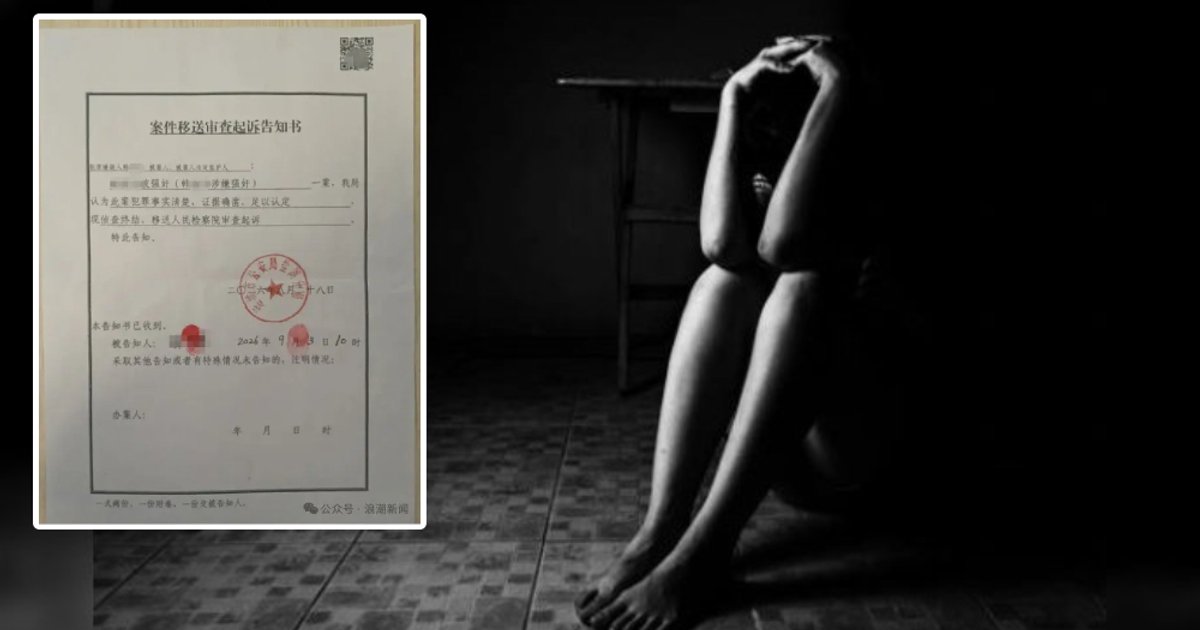
A high-profile rape case in Yuncheng, Shanxi, involving a 13-year-old girl identified by the pseudonym Xiao Min, has been formally sent for prosecution after an earlier police decision not to open a case triggered public outrage. The Yanhu branch of the Yuncheng Public Security Bureau concluded its investigation and said the facts were clear and the evidence solid against 30-year-old suspect Han Moumou, nicknamed “Hei Ge”. Police also identified the girl’s 17-year-old female friend Zhang Moumou as an accomplice and transferred her for prosecution. Separately, disciplinary and supervisory authorities have opened an investigation into officers accused of refusing to register the case and urging the family to settle it with compensation.
Key Points
- The alleged assault happened on April 18, when 13-year-old Xiao Min, then 13 years and 3 months old and weighing about 40 kilograms, stayed at Zhang Moumou’s rented flat after a family dispute
- According to the reports, Han Moumou offered 888 yuan for sex, and after Xiao Min resisted, he called Zhang Moumou to confirm there were no surveillance cameras inside.
- The family said Han later transferred 500 yuan to Xiao Min through Zhang Moumou, who allegedly urged the girl to delete chat records and make a video record
- Hospital outpatient records cited by the family said Xiao Min had no prior sexual history, and that her hymen was found torn after the incident
- After the family reported the case in late April, police allegedly pushed for a cash settlement; by June, the Yanhu branch had issued a decision not to open a case, citing no criminal facts.
Why It Matters
For Hong Kong readers following mainland criminal justice issues, the case underscores how online complaints and family petitions can alter the handling of serious sexual assault allegations after an initial refusal to investigate. It also raises concern over whether frontline officers properly protect minors in sexual violence cases, especially when families allege pressure to accept private compensation instead of criminal proceedings.