Police Deploy CCTV, Capture More Stray Dogs in Yuen Long Fatal Attack Probe
On.cc · 6 SOURCESabout 17 hours ago2 MIN
Summary
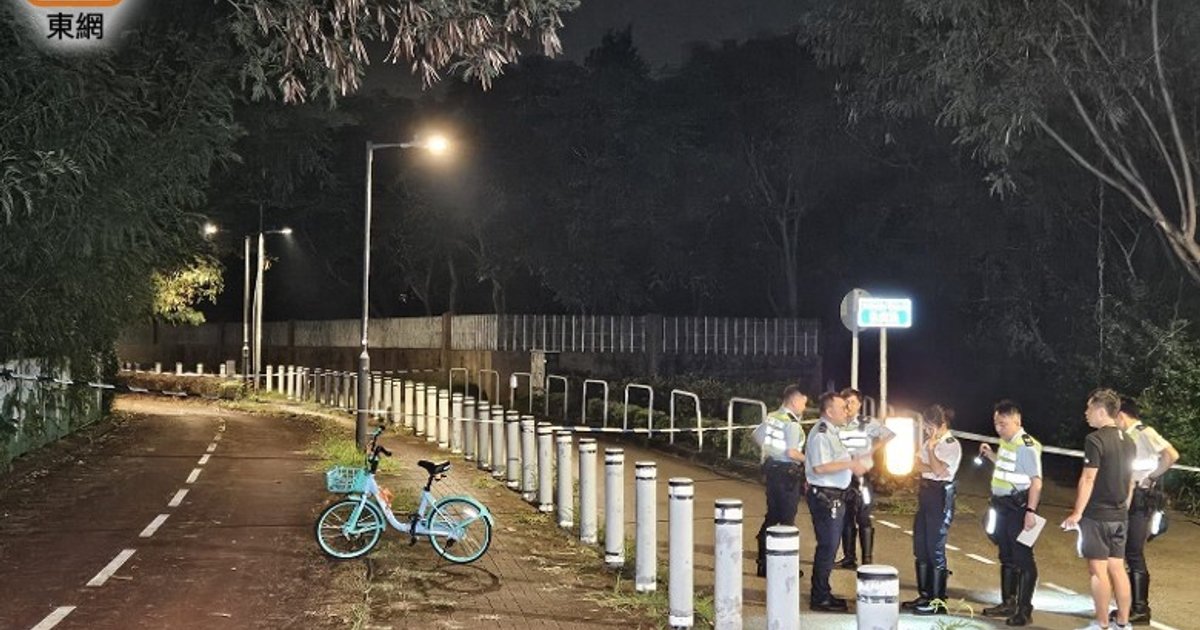
Police have installed four sets of temporary closed-circuit television cameras near the site where a 27-year-old female cyclist died in a suspected dog attack in Yuen Long on September 20. Joint operations by police and the Agriculture, Fisheries and Conservation Department (AFCD) captured five stray dogs over two days, with the latest operation on Tuesday evening yielding two more Tang dogs. The tragic incident has reignited debate about Hong Kong's stray dog management policies, including concerns about unregulated warehouse dogs and inadequate enforcement of pet ownership regulations.
Key Points
- The victim, a 27-year-old woman, was killed in the early hours of September 20 on Ngau Tam Mei Road in what police suspect was a group dog attack
- Four temporary CCTV systems have been installed near the incident site along Ngau Tam Mei Road and near the South Wing Tau Sewage Pumping Station, with cameras facing the cycle path
- Joint police-AFCD operations captured three Tang dogs during the first operation on September 21, followed by two more on September 22, bringing the total to five captured strays
- AFCD records show four complaints about dog disturbances near the incident location between June and August 2026, with seven patrols conducted but no strays found at the time
- The AFCD receives over 1,000 stray dog complaints annually and captures approximately 400 unsupervised dogs each year, with most adopted out if found suitable
Why It Matters
The deployment of surveillance technology combined with intensified capture operations represents a significant escalation in Hong Kong's approach to stray animal management following a fatality. The incident has exposed deeper systemic issues, including the widespread warehouse dog phenomenon where workers feed strays near logistics facilities, creating unowned but food-dependent canine populations, and longstanding concerns about inadequate enforcement of the Rabies Ordinance requiring microchipping and vaccination for dogs over five months old. This tragedy may force policymakers to confront previously avoided debates about mandatory neutering, clearer owner accountability, and whether zero-stray policies are feasible in Hong Kong's unique rural-urban interface.
The deployment of surveillance technology combined with intensified capture operations represents a significant escalation in Hong Kong's approach to stray animal management following a fatality. The incident has exposed deeper systemic issues, including the widespread warehouse dog phenomenon where workers feed strays near logistics facilities, creating unowned but food-dependent canine populations, and longstanding concerns about inadequate enforcement of the Rabies Ordinance requiring microchipping and vaccination for dogs over five months old. This tragedy may force policymakers to confront previously avoided debates about mandatory neutering, clearer owner accountability, and whether zero-stray policies are feasible in Hong Kong's unique rural-urban interface.