Typhoon Dujuan Disrupts Japan Travel, Grounds Nearly 300 Flights
SingTao · 3 SOURCESabout 2 hours ago2 MIN
Summary
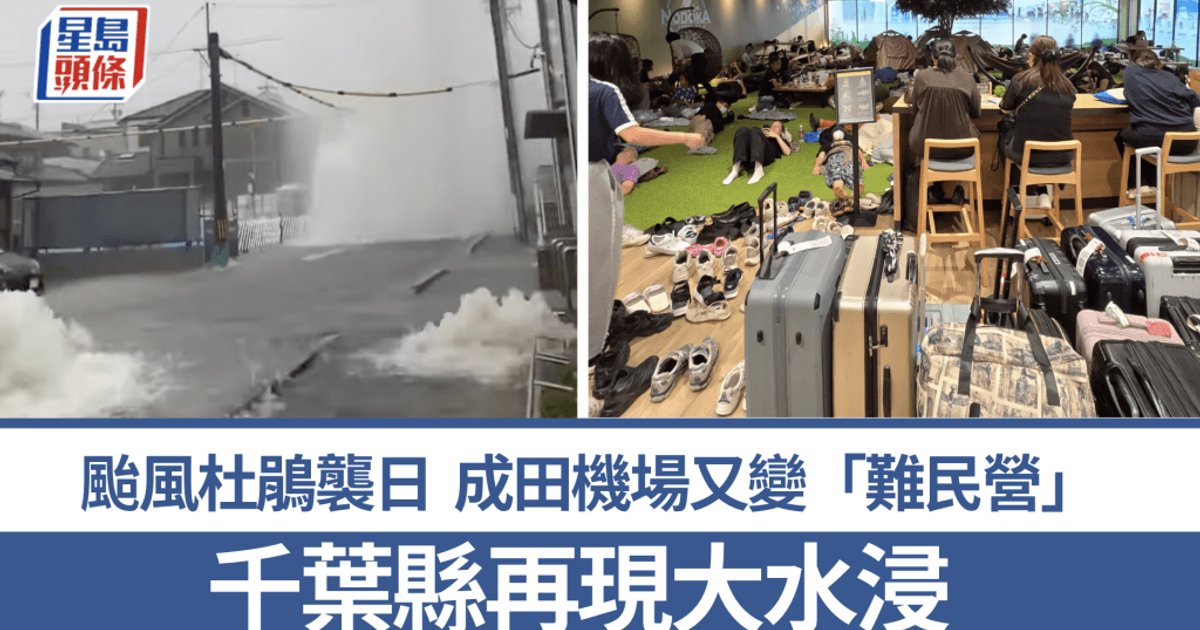
Typhoon Dujuan swept through Japan's Kanto region on Monday, 21 September, triggering catastrophic flooding in Chiba Prefecture and grounding nearly 300 flights at Tokyo's major airports. The Japan Meteorological Agency recorded unprecedented rainfall across the Izu Islands, with some areas accumulating over 300mm since the weekend. Chiba Prefecture, still recovering from record-breaking floods less than two months prior, bore the brunt of the devastation as rivers burst their banks and streets transformed into raging torrents. JR East suspended all train services on the Narita Line connecting Narita Airport to Tokyo, while bus and taxi services were severely curtailed by flooded roads, leaving thousands of passengers stranded at Narita Airport, which social media users likened to a "refugee camp."
Key Points
- Japan Airlines cancelled 120 domestic flights at Haneda and Narita airports, affecting approximately 15,000 passengers
- All Nippon Airways grounded 140 domestic flights primarily at Haneda, with around 25,000 travellers impacted
- Jetstar Japan eliminated 42 flights at Narita for both domestic and international routes, blocking travel for roughly 6,200 passengers
- JR East halted the Narita Line between Chiba and Narita, as well as the segment to Narita Airport, with no confirmed reopening time
- Local authorities issued emergency evacuation orders to 299 households (668 residents) in Kimitsu due to suspected river flooding
- The Iwataki Dam's water level approached its limit, prompting emergency discharge preparations that were later suspended after rainfall fell below projections
Why It Matters
This disruption strikes at a critical juncture for Japanese tourism, which has been actively courting international visitors following pandemic-era restrictions. The coincidence of another major weather event hitting Chiba—just eight weeks after historic flooding killed eight people and left 6,600 stranded at Narita—underscores the growing vulnerability of Japan's transportation infrastructure to extreme weather. For Hong Kong travellers with upcoming trips to Japan, these events serve as a stark reminder to purchase comprehensive travel insurance and maintain flexible itineraries during the autumn typhoon season.
This disruption strikes at a critical juncture for Japanese tourism, which has been actively courting international visitors following pandemic-era restrictions. The coincidence of another major weather event hitting Chiba—just eight weeks after historic flooding killed eight people and left 6,600 stranded at Narita—underscores the growing vulnerability of Japan's transportation infrastructure to extreme weather. For Hong Kong travellers with upcoming trips to Japan, these events serve as a stark reminder to purchase comprehensive travel insurance and maintain flexible itineraries during the autumn typhoon season.