Hung Fuk Court social-work scheme to continue
HK01 · 4 SOURCESabout 1 hour ago2 MIN
Summary
Nearly a year after the Hung Fuk Court fire in Tai Po, a frontline Social Welfare Department worker described heavy workloads, confused early-stage arrangements and repeated difficulties answering residents’ questions under the government’s “one household, one social worker” scheme. His account also revisited the shock caused by the death of a male departmental social worker who collapsed after visiting residents on January 22 and later died. On Sunday, Secretary for Labour and Welfare Chris Sun Yuk-han said the scheme would not be withdrawn, and that psychological support for bereaved families and seriously injured households could continue for years or even decades.
Key Points
- A social worker identified as Mr A said he first learned of the one-household scheme from news reports rather than internal notice, then began helping residents seek funds, resources, temporary housing and emotional support.
- He said the first month after the fire was the hardest because information was chaotic, and staff often had only limited materials or questionnaires to read from.
- Residents staying in hotels were told in December to move out before Christmas, prompting social workers to urgently find accommodation again before collecting views on long-term housing in January.
- Mr A said the government’s February housing plan did not fully include options mentioned in earlier questionnaires, including rebuilding on the original site, which triggered dissatisfaction among many residents.
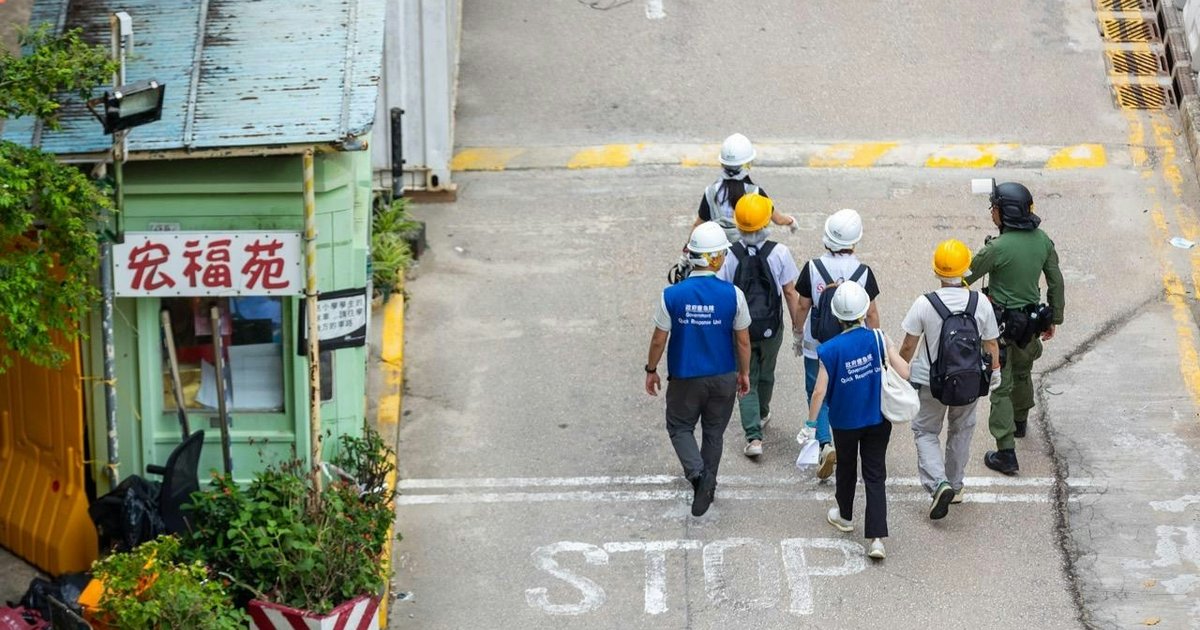
- He also said some frontline staff had to climb more than 20 floors during the first round of re-entry in April, even if they feared entering the fire scene or were physically weak.
Why It Matters
The differing messages from frontline staff and the government point to a tension between long-term support commitments and the operational strain placed on public-sector social workers. For Hong Kong readers, the issue is no longer only whether help remains available, but how clearly, fairly and sustainably that help is delivered as displaced residents rebuild their lives.