Japan Slashes Residential Road Speed Limit to 30 km/h in Major Safety Reform
SingTao · 2 SOURCESabout 3 hours ago5 MIN
Summary
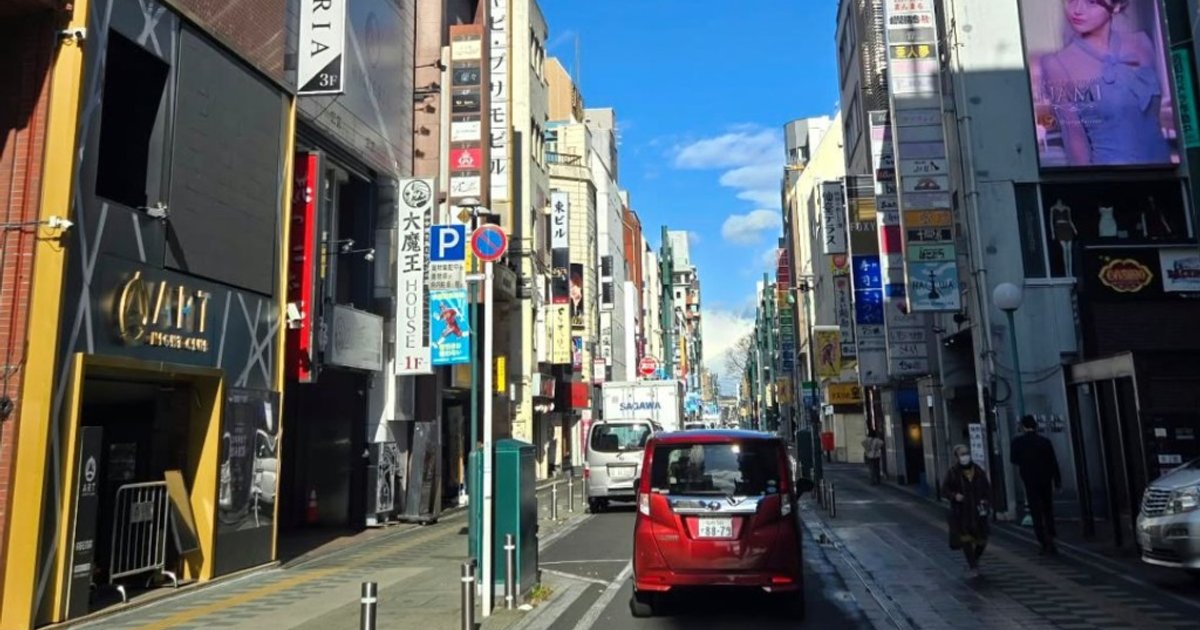
Japan on Tuesday launched a sweeping overhaul of road safety rules, reducing the legal speed limit on residential and neighborhood streets known as "lifestyle roads" (生活道路) from 60 km/h to 30 km/h . The government says the measure is designed to protect pedestrians, cyclists, elderly residents and children who frequently share these narrow thoroughfares with motor vehicles . Drivers who flout the new 30 km/h cap on these roads face having their licenses confiscated and fines reaching up to 100,000 yen (about 4,900 HKD) . Officials note that no new traffic signs will be installed to mark these sections, meaning drivers must gauge appropriate speeds based on road conditions . The change, which affects roughly 70 percent of Japan's total road network, was influenced by Singapore's 2011 legislation capping speeds at 30 km/h in certain zones .
Key Points
- Japan reduces speed limit on "lifestyle roads" from 60 km/h to 30 km/h starting September 1, 2026
- These roads include residential areas, commercial districts and school zones, covering roughly 70% of Japan's total road length
- Violators face license confiscation and fines up to 100,000 yen (approximately 4,900 HKD)
- Statistics show accidents on roads narrower than 5.5 meters cause 1.8 times more casualties than wider roads
- Japan recorded approximately 290,000 traffic accidents in 2025, resulting in about 2,500 deaths
Why It Matters
Japan's move reflects a global trend toward "slow streets" as cities grapple with road safety in dense urban environments where cars, bicycles and pedestrians coexist. For Hong Kong travelers renting cars or cycling in Japan, the new rules demand heightened vigilance — even on roads that look like typical neighborhood streets could now carry the same legal weight as marked school zones. The steep penalties also signal Tokyo's seriousness about enforcement, making compliance non-negotiable for foreign visitors.
Japan's move reflects a global trend toward "slow streets" as cities grapple with road safety in dense urban environments where cars, bicycles and pedestrians coexist. For Hong Kong travelers renting cars or cycling in Japan, the new rules demand heightened vigilance — even on roads that look like typical neighborhood streets could now carry the same legal weight as marked school zones. The steep penalties also signal Tokyo's seriousness about enforcement, making compliance non-negotiable for foreign visitors.