Hong Kong Wine Merchants Bet on Innovation to Counter Market Decline
Thestandard · 1 SOURCESabout 4 hours ago2 MIN
Summary
Hong Kong's wine and spirits trade is reinventing itself through product innovation amid declining alcohol consumption among young consumers and cooling domestic spending. The Restaurant, Bar & Café Hong Kong (RBHK) 2026 trade fair, held this year, featured a dedicated Japan Sake & Spirits Pavilion with eight specialized exhibitors, highlighting the industry's shift toward unique and diverse offerings. Industry players are betting on novel products—including sake brewed with French-grown rice and non-alcoholic alternatives—to reignite consumer interest and capture emerging market segments. Research indicates mainland China's growing appetite for premium wines could provide a lifeline for Hong Kong's position as a regional trade hub.
Key Points
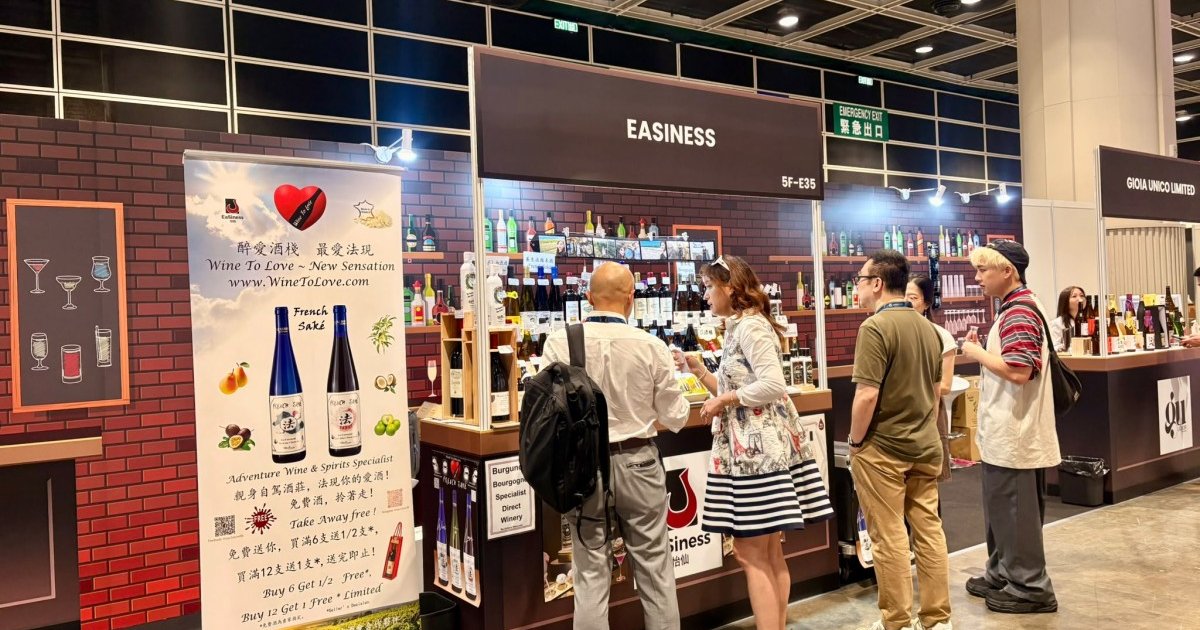
- The RBHK 2026 expo included a Japan Sake & Spirits Pavilion showcasing eight specialized exhibitors alongside international wine and spirits brands
- Wine to Love, operating under Easiness, presented sake brewed from French-grown rice, offering a distinct flavor profile different from traditional Japanese varieties
- The company also debuted an innovative foam-like liqueur mousse designed for pairings with coffee, desserts, and creative cocktails
- Minnie Wong, director of Easiness, emphasized that Hong Kong consumers are receptive to new and innovative products
- Wine to Love secured orders from Hong Kong and mainland China while advancing distribution discussions in Taiwan
- YouGov consumer research projects Hong Kong alcohol spending to contract across major categories through year-end
- Mainland China demand for red and sparkling wines is forecast to grow approximately 20 percent
Why It Matters
Hong Kong's traditional role as a wine trade gateway faces structural pressure as younger generations reduce alcohol consumption globally. The success of innovative products at events like RBHK 2026 could determine whether the city maintains its competitive edge or loses market share to rivals in the Greater Bay Area.
Hong Kong's traditional role as a wine trade gateway faces structural pressure as younger generations reduce alcohol consumption globally. The success of innovative products at events like RBHK 2026 could determine whether the city maintains its competitive edge or loses market share to rivals in the Greater Bay Area.