New Documentary Claims to Debunk Famous 1967 Bigfoot Footage With Rehearsal Film
Thestandard · 2 SOURCESabout 3 hours ago2 MIN
Summary
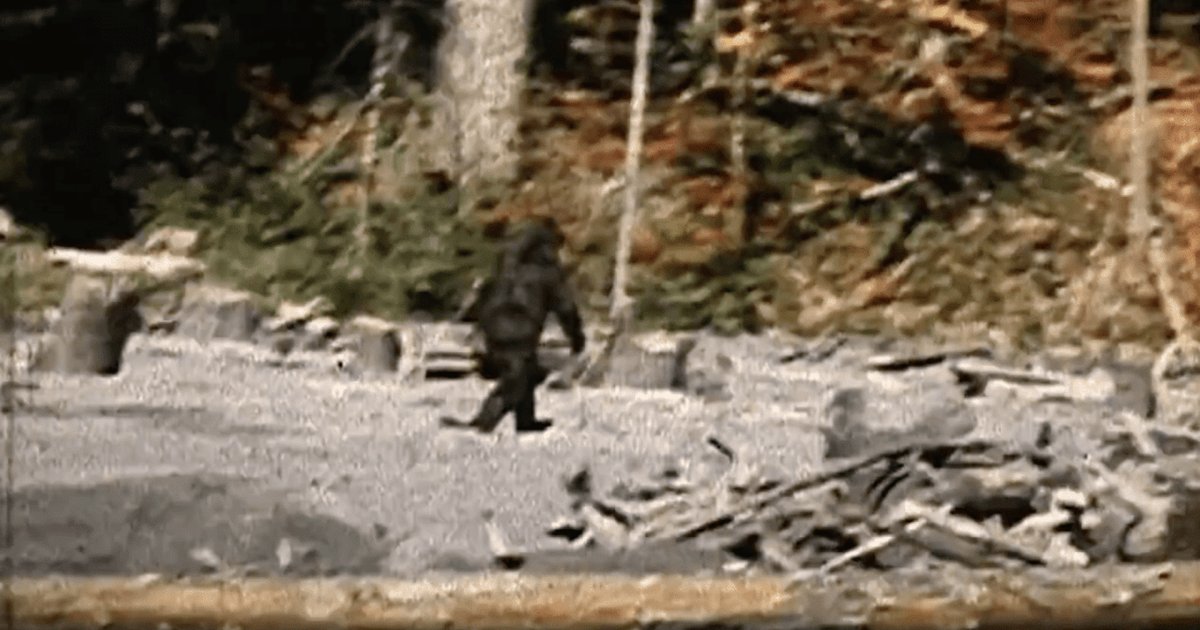
A new documentary titled *Capturing Bigfoot* has reignited decades of debate over the authenticity of the famous 1967 Patterson-Gimlin footage. Directed by Marq Evans, the film presents what it claims is proof that the legendary video of a giant, hairy female Sasquatch walking through Northern California forests is a elaborate hoax. The documentary features testimony from Roger Patterson's son, Clint, and reveals previously unseen rehearsal footage that appears to show the Bigfoot suit being tested before the iconic filming.
Key Points
- The Patterson-Gimlin film, captured on October 20, 1967, at Bluff Creek in Northern California, runs approximately 59 seconds and shows a hairy, upright-walking figure that turns to look at the camera
- Documentary director Marq Evans obtained a 16mm film from Teresa Brooks, whose father Norm Johnson worked at Boeing's film department and had connections with the original filming party
- The newly discovered footage, approximately 40 seconds long and dated to around 1966, appears to show a thinner figure in a fur costume performing similar walking and turning movements as the 1967 film
- Clint Patterson, son of Roger Patterson, revealed in the documentary that his mother later told him his father's Bigfoot footage was not authentic, and that maintaining the secret caused a rift in their relationship
- Bob Heironimus, who claimed since 1999 to be the person wearing the Bigfoot suit, was interviewed again, with his walking and arm-swinging movements shown to match the original footage
Why It Matters
The documentary challenges nearly 60 years of Bigfoot lore and the community of believers who treat the legend as almost a religion, while also revealing how financial interests in licensing deals and convention appearances motivated some to maintain the hoax. For Hong Kong audiences, the case illustrates how compelling visual evidence can sustain myths for generations, even when the truth contradicts deeply held beliefs.
The documentary challenges nearly 60 years of Bigfoot lore and the community of believers who treat the legend as almost a religion, while also revealing how financial interests in licensing deals and convention appearances motivated some to maintain the hoax. For Hong Kong audiences, the case illustrates how compelling visual evidence can sustain myths for generations, even when the truth contradicts deeply held beliefs.