Himalayan Border Catastrophe: Hundreds Missing After Glacial Flood Devastates Nepal-China Crossing
Bbc · 2 SOURCESabout 3 hours ago2 MIN
Summary
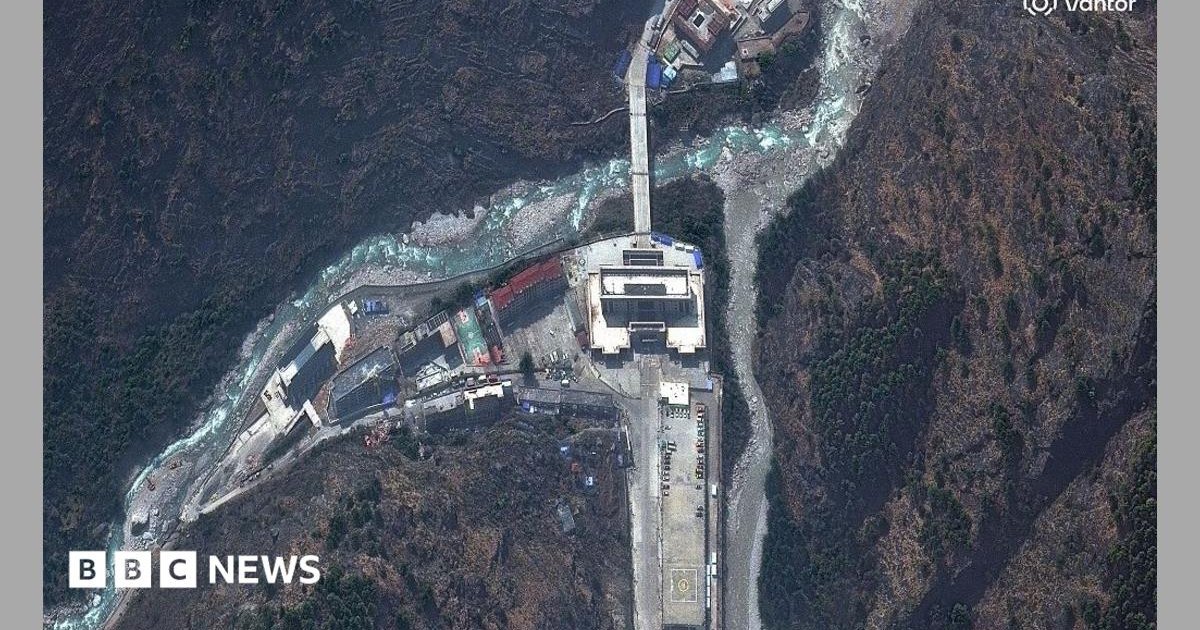
A catastrophic flash flood triggered by a glacial collapse devastated the Nepal-China border crossing on August 26, 2026, fundamentally altering one of the most important overland routes between the two countries. A section of glacier collapsed at an altitude exceeding 5,000 metres on the Nepalese side of the Himalayas, sending ice and rock accelerating down a steep valley at approximately 50 metres per second . Within just seven minutes, the cascading debris transformed into a high-speed mudslide that slammed into Gyirong Port on the Chinese side, burying and obliterating border facilities . On the Nepalese side, the Friendship Bridge linking the two nations was swept away along with immigration and customs facilities at Rasuwagadhi, while the small trading settlement of Timure was devastated . The catastrophe has left hundreds dead and thousands unaccounted for across both nations, with over 275 Indians remaining missing according to India's foreign ministry .
Key Points
- A glacier collapsed above 5,000 metres on the Nepal side, accelerating debris down a valley at roughly 50 metres per second before striking Gyirong Port seven minutes later
- CCTV footage from 10:59:53 local time captures the dark wall of water, mud, boulders, and rock surging through the Gyirong valley
- The Friendship Bridge, Nepal's immigration and customs facilities at Rasuwagadhi, and the entire trading settlement of Timure were swept away
- The route is geologically characterized by deep gorges and steep rivers capable of carrying heavy sediment and dislodging massive boulders
- India's foreign ministry confirms at least 275 Indians remain missing in Nepal, with more than 100 potentially in the crossing area
Why It Matters
The destruction of this critical border crossing exposes the increasingly severe climate risks facing high-altitude Himalayan communities, forcing a reassessment of infrastructure vulnerability beyond traditional concerns about sea-level rise . The loss of the Nepal-China trade and pilgrimage route will have substantial economic repercussions for both nations while demonstrating that glacial lake outburst floods represent a growing frontier of climate-related disasters in Asia's most remote regions .
The destruction of this critical border crossing exposes the increasingly severe climate risks facing high-altitude Himalayan communities, forcing a reassessment of infrastructure vulnerability beyond traditional concerns about sea-level rise . The loss of the Nepal-China trade and pilgrimage route will have substantial economic repercussions for both nations while demonstrating that glacial lake outburst floods represent a growing frontier of climate-related disasters in Asia's most remote regions .