Hong Kong starts mandatory elderly-friendly building rules
AM730 · 2 SOURCESabout 3 hours ago2 MIN
Summary
Development Secretary Bernadette Linn Hon-ho said Hong Kong is using both mandatory requirements and incentive-based design measures to promote elderly-friendly buildings as the city responds to population ageing and encourages ageing in place. The mandatory requirements took effect on August 1 and were described as an important step in elderly-friendly building design. The revised rules cover both common areas in several building types and certain features inside private residential units. The government has also introduced incentive measures and a voluntary certification scheme to encourage wider adoption.
Key Points
- Linn said the policy combines “mandatory requirements” with “encouraging design” to improve safety, accessibility and support ageing in place in Hong Kong.
- Buildings Department surveyor Ho Kwan-yu said 16 revised mandatory requirements include 13 for common areas and three for private residential units.
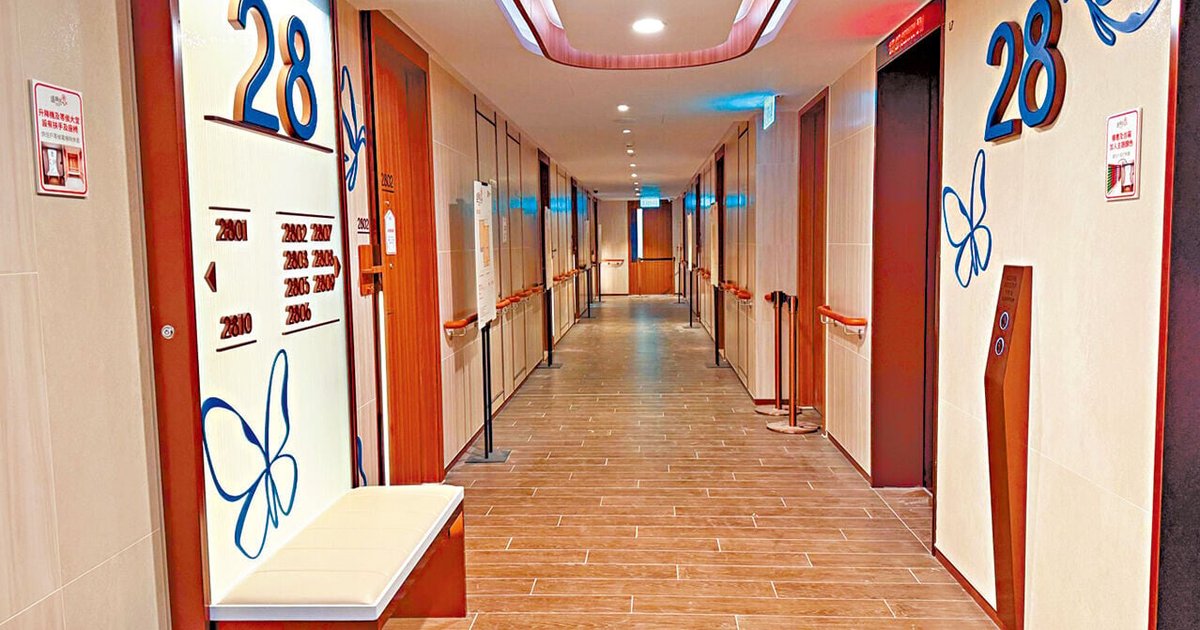
- For common areas, one main entrance must have an automatic door, indoor lighting along access routes must be improved, and floors must be slip-resistant.
- The rules also require wider passageways and doors, lower thresholds to reduce trip risks, while bathrooms and kitchens in flats must use slip-resistant flooring.
- The new requirements apply to new building works with plans submitted after August 1, or projects not yet approved to start by the Buildings Department; the government also added 28 incentive design items and a voluntary certification scheme.
Why It Matters
For Hong Kong residents, the changes point to a gradual shift in how new homes and buildings are designed, with accessibility and fall prevention built in earlier rather than added later. The incentive measures and certification scheme may also help the market adopt elderly-friendly features more widely without sharply increasing development costs.