US Escalates Iran Sanctions with EU Support; Vance Expects China Cooperation
SingTao · 2 SOURCESabout 3 hours ago2 MIN
Summary
US Treasury Secretary Scott Bessent announced on September 4, 2026 that the European Union has officially joined Washington's "Operation Economic Outcast" — a sweeping new financial sanctions campaign against Iran that Bessent compared to the D-Day Normandy landings of World War II. The initiative targets the Islamic Republic's economic lifelines, including digital assets, technology, gold, aviation and shipping sectors . Vice President Vance indicated that numerous countries are privately cooperating with the US effort, even if they prefer to remain publicly silent, and expressed confidence that China — a major purchaser of Iranian oil — would align with the campaign .
Key Points
- Bessent framed the sanctions as designed to "cut every economic lifeline supporting the Iranian regime until Tehran is isolated"
- The EU's formal participation represents a significant diplomatic victory, though details remain undisclosed
- Sanctions explicitly target intermediaries and shadow shipping networks operating in Hong Kong, China, UAE, Singapore, Switzerland and Europe
- On August 28, FinCEN proposed revoking Banque Misr UAE's access to US correspondent banking services, citing approximately $1.8 billion in transactions for 103 companies linked to Iran's shadow banking network between January 2024 and June 2026
- OFAC simultaneously sanctioned Bank Melli's Dubai branch manager and a Hong Kong-registered shell company
Why It Matters
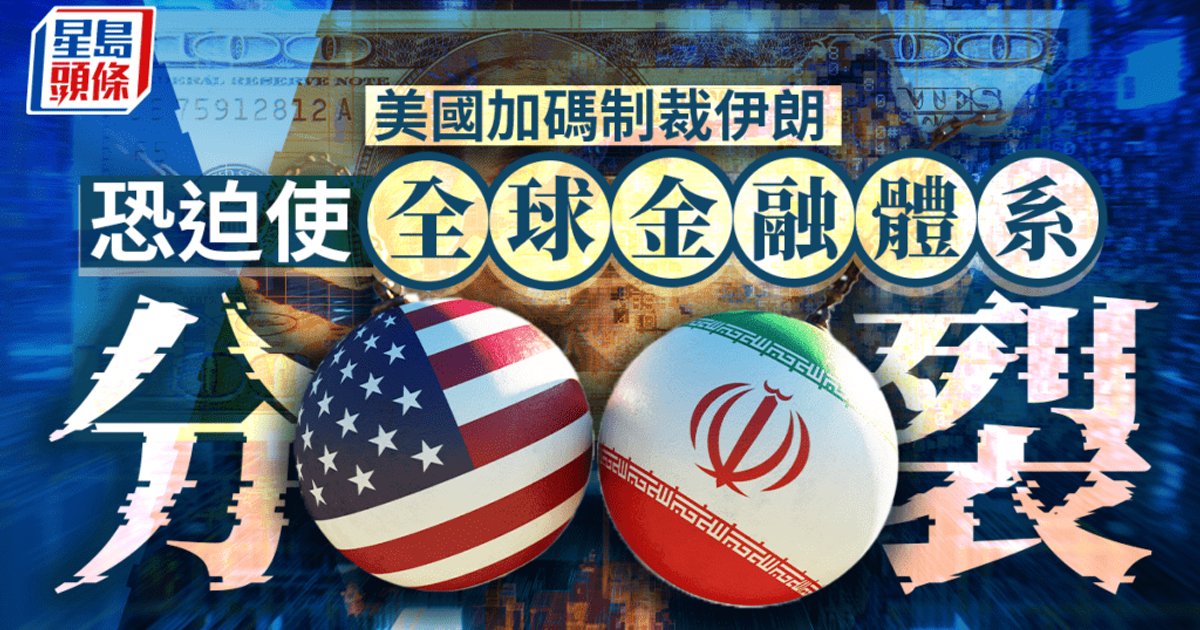
The sanctions reflect America's "long-arm jurisdiction" strategy — foreign banks relying on dollar settlements or US market access face severe consequences for facilitating Iranian transactions . While Bessent acknowledged the need to avoid "destroying the global financial system," the ambiguity surrounding when or whether China will be targeted leaves major uncertainties for international banks and trading houses. If successful, this campaign could fundamentally reshape global energy trade flows; if it triggers retaliatory measures or accelerates dollar-alternative payment systems, it risks deepening fragmentation of the international financial architecture.
The sanctions reflect America's "long-arm jurisdiction" strategy — foreign banks relying on dollar settlements or US market access face severe consequences for facilitating Iranian transactions . While Bessent acknowledged the need to avoid "destroying the global financial system," the ambiguity surrounding when or whether China will be targeted leaves major uncertainties for international banks and trading houses. If successful, this campaign could fundamentally reshape global energy trade flows; if it triggers retaliatory measures or accelerates dollar-alternative payment systems, it risks deepening fragmentation of the international financial architecture.