Tai O Rope-Ferry Ends 100-Year Service as New Bridge Opens
SCMP · 1 SOURCESabout 3 hours ago2 MIN
Summary
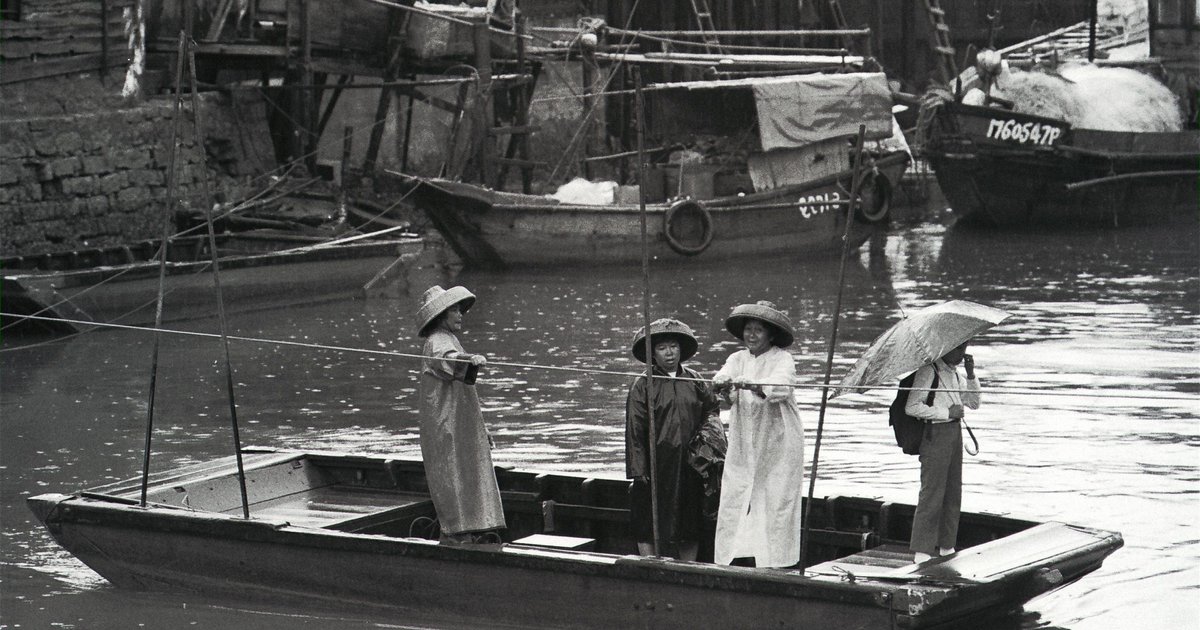
The century-old rope-ferry linking Lantau Island with the fishing village of Tai O made its final crossing on September 29, 1996, as a newly constructed $15 million pedestrian bridge opened to the public . The 56-metre structure spans the 15-metre-wide Tai O creek, replacing a service that had charged passengers just 50 cents per trip for over 100 years . Director of Territory Development Lee Shing-see described the bridge as a significant advancement in Tai O's overall development programme, addressing traffic demands driven by rapid growth in tourism and commercial activities . The bridge's central span can be manually lifted to allow larger fishing junks to pass through the creek .
Key Points
- The rope-ferry service ended on September 29, 1996, after approximately 100 years of continuous operation
- A $15 million pedestrian bridge with a 56-metre length now connects Lantau Island to Tai O village
- The bridge spans the 15-metre-wide Tai O creek, which previously could only be crossed by the rope-ferry
- The new bridge features a central span designed to be lifted by one person to permit passage of large fishing junks
- The ferry had charged passengers 50 cents per trip, serving as the sole crossing method for a century
Why It Matters
The opening of the Tai O bridge marks a pivotal moment for one of Hong Kong's most storied fishing villages, transforming both daily life for residents and visitor access to the historic stilt-house community . This infrastructure project reflects Hong Kong's broader pattern of replacing traditional transport links with modern alternatives to support economic development, even as heritage advocates mourn the loss of living history .
The opening of the Tai O bridge marks a pivotal moment for one of Hong Kong's most storied fishing villages, transforming both daily life for residents and visitor access to the historic stilt-house community . This infrastructure project reflects Hong Kong's broader pattern of replacing traditional transport links with modern alternatives to support economic development, even as heritage advocates mourn the loss of living history .