Russia and Ukraine Hold First Peace Talks in Nine Months in Abu Dhabi
Thestandard · 3 SOURCESabout 2 hours ago2 MIN
Summary
Russian and Ukrainian officials met in Abu Dhabi on Tuesday for their first US-brokered peace talks since February, as President Donald Trump's envoys launched a renewed push to end the more than four-year conflict. US Secretary of State Marco Rubio described the four-hour meeting as very productive, while Ukrainian President Volodymyr Zelenskiy called the discussions constructive and substantive. Despite the optimism, the warring parties remain far apart on key issues including territorial control, security guarantees, and Ukraine's NATO aspirations.
Key Points
- The Abu Dhabi negotiations lasted approximately four hours on Tuesday, with a second day of talks scheduled for Wednesday
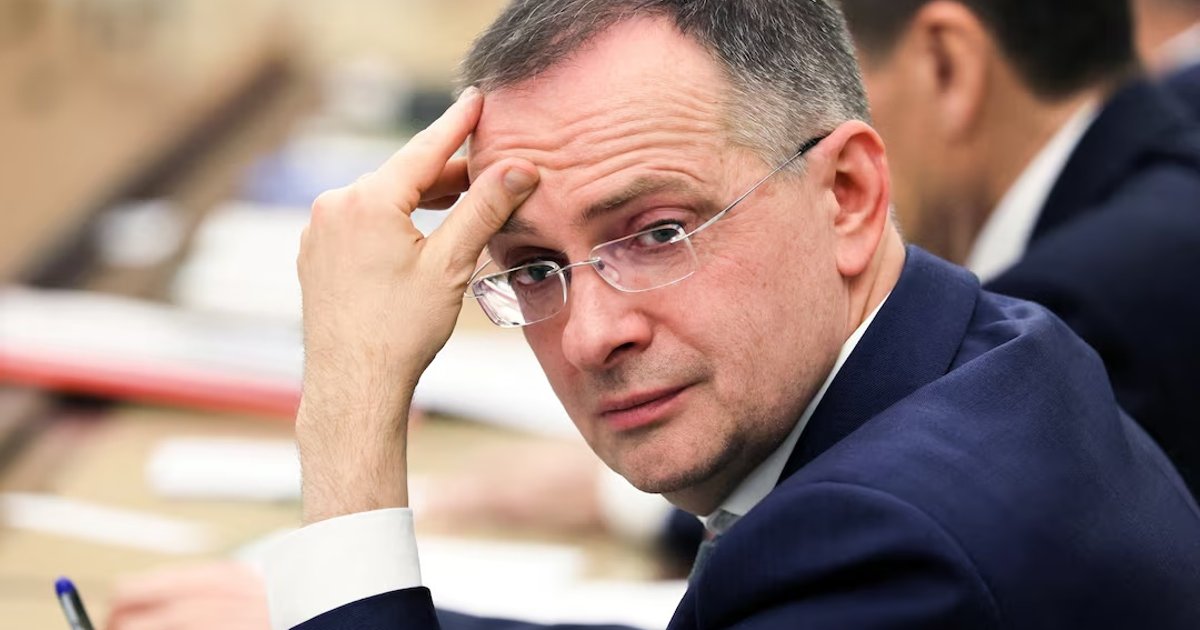
- US envoys Jared Kushner and Steve Witkoff mediated the trilateral meeting between Russian delegation chief Vladimir Medinsky and Ukrainian chief delegate Rustem Umerov
- Kushner told delegates that recent contacts with both sides had "really identified, narrowed the gaps," and that Trump was committed to achieving peace
- Zelenskiy stated the talks addressed humanitarian issues, security guarantees, and long-term mechanisms to prevent recurrence of war, with prisoner exchange as a priority
- Russian forces currently control about a fifth of Ukraine, and Moscow demands Ukraine adopt neutral status and renounce NATO membership
Why It Matters
The Abu Dhabi talks mark the first direct engagement between Russia and Ukraine in nine months, representing a potential diplomatic opening after prolonged stalemate. European officials are pushing for inclusion in future negotiations, as France emphasized there can be no lasting peace without addressing continental security concerns . The outcome could reshape European security architecture and determine whether the deadliest conflict since World War Two can be resolved through diplomacy rather than continued warfare.
The Abu Dhabi talks mark the first direct engagement between Russia and Ukraine in nine months, representing a potential diplomatic opening after prolonged stalemate. European officials are pushing for inclusion in future negotiations, as France emphasized there can be no lasting peace without addressing continental security concerns . The outcome could reshape European security architecture and determine whether the deadliest conflict since World War Two can be resolved through diplomacy rather than continued warfare.