Houthi Strikes Escalate on Saudi Airports, Killing Dozens
SCMP · 4 SOURCESabout 4 hours ago2 MIN
Summary
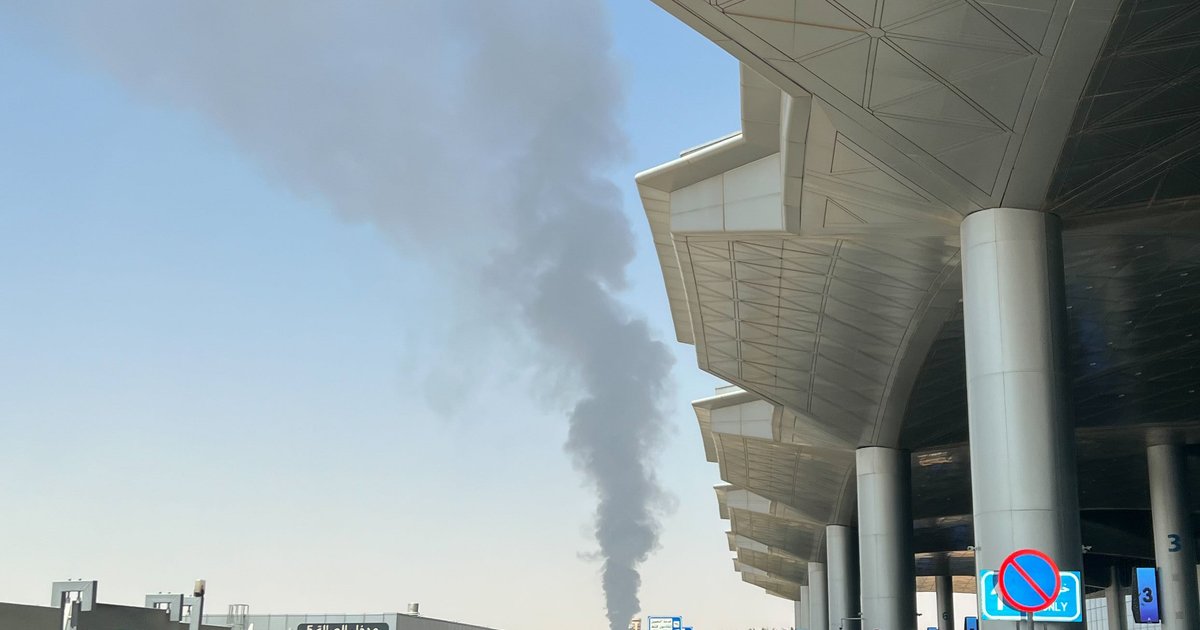
Yemen's Iran-backed Houthi forces have launched a escalating campaign of attacks on Saudi Arabia's international airports this week, resulting in at least 16 deaths and more than 600 injuries across multiple strikes. The most devastating attack came Saturday when Houthis struck Riyadh's King Khalid International Airport without warning, killing 13 people and wounding 309. A subsequent attack Sunday hit the same airport's Terminal 4, causing further casualties. The strikes have exposed vulnerabilities in Saudi air defences as the kingdom supports Yemeni government forces battling the Iran-aligned Houthis.
Key Points
- Three waves of attacks targeted King Khalid International Airport in Riyadh and Abha International Airport between Tuesday and Sunday
- Initial attacks on October 8-9 killed three nationals from Egypt, Algeria, and Sudan, with 36 wounded
- Saturday's strike killed 13 people from eight countries including Saudi Arabia, Bangladesh, the United States, Jordan, Palestine, Syria, Sudan, and Egypt
- Saudi Arabia's national carrier Saudia confirmed the death of a plane captain at King Khalid Airport during the attacks
- The Saudi-led military coalition destroyed 82 Houthi military targets including ballistic missile facilities and command centres in retaliation
- More than 200,000 people have been displaced within Yemen since the civil war reignited in July
- The Bab al-Mandab strait, crucial to global energy flows, remains a strategic focus of the fighting
Why It Matters
The attacks mark the deadliest strikes on Saudi Arabia in more than a decade and have shut down King Khalid International Airport . As the world's largest crude exporter, any escalation in Saudi-Yemen hostilities could disrupt global oil supplies and shipping routes through the Red Sea, affecting energy prices worldwide. Hong Kong, as a major trading hub, could face ripple effects on oil prices and shipping insurance costs if the conflict continues to widen.
The attacks mark the deadliest strikes on Saudi Arabia in more than a decade and have shut down King Khalid International Airport . As the world's largest crude exporter, any escalation in Saudi-Yemen hostilities could disrupt global oil supplies and shipping routes through the Red Sea, affecting energy prices worldwide. Hong Kong, as a major trading hub, could face ripple effects on oil prices and shipping insurance costs if the conflict continues to widen.