Founder of Hong Kong Economic Journal Lin Xingzhi Dies at 85
HK01 · 3 SOURCESabout 3 hours ago5 MIN
Summary
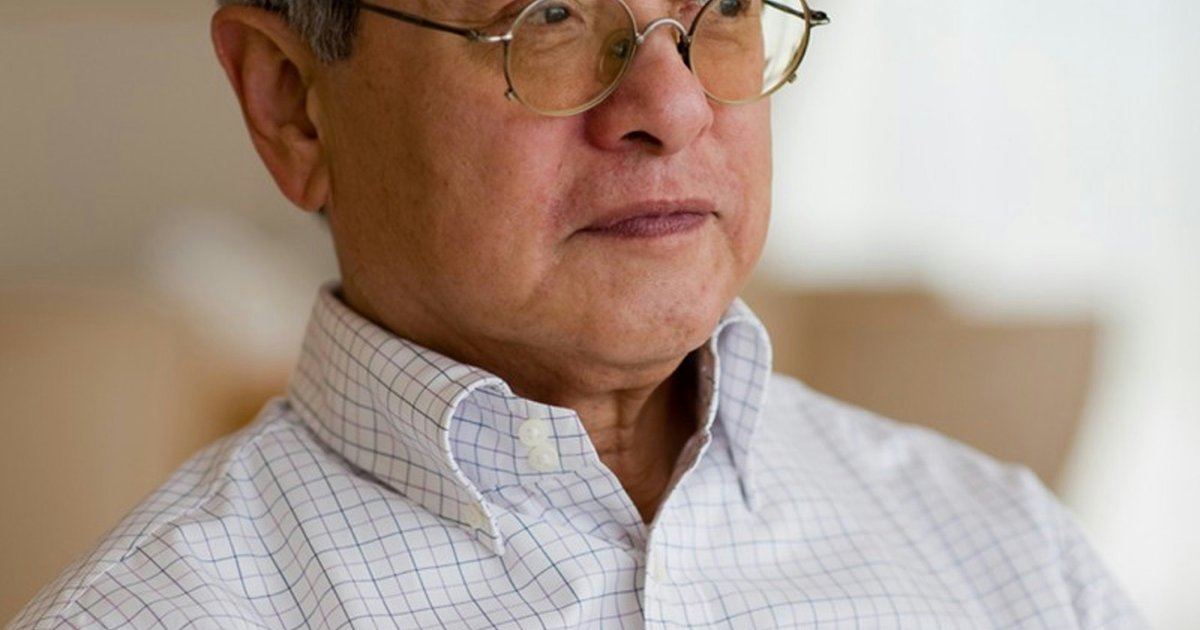
Lin Xingzhi, the founder of the Hong Kong Economic Journal who was widely celebrated as "Hong Kong's Top Pen," has died. He built the publication from scratch in 1973, transforming it into one of Hong Kong's most influential financial and political newspapers, while personally writing daily columns for nearly 50 years. His analytical work influenced generations of readers, including former Chinese Premier Zhu Rongji, who acknowledged reading only two Hong Kong newspapers.
Key Points
- Lin Xingzhi (林行止), born Lin Shanmu (林山木) in 1940 in Chenghai district, Shantou, Guangdong province, arrived in Hong Kong in the 1960s after his family fled political turmoil in mainland China
- He earned a bachelor's degree in Economics from Cambridge College of Arts and Industry in 1965, later returning to Hong Kong to join Ming Pao newspaper
- In 1973, he co-founded the Hong Kong Economic Journal with his wife Luo Youmei (駱友梅) and media figure Luo Zhiping (羅治平), launching the first dedicated financial newspaper in Hong Kong
- He wrote the "Political and Economic Commentary" column from 1973 to 1996, then the "Lin Xingzhi Column" from 1997 until retirement in July 2021, spanning 48 years and 27 days
- Richard Li acquired 50 percent of the newspaper group in 2006 for approximately 300 million Hong Kong dollars, with the remaining shares purchased in 2014
Why It Matters
Lin Xingzhi's passing marks the end of an era for Hong Kong's independent financial journalism, as his columns provided rare long-form analysis of Sino-British negotiations, economic theory, and regional politics for nearly half a century . His legacy as a rigorous commentator who maintained editorial independence under changing political climates will influence how Hong Kong's media landscape remembers its commitment to free expression and intellectual discourse .
Lin Xingzhi's passing marks the end of an era for Hong Kong's independent financial journalism, as his columns provided rare long-form analysis of Sino-British negotiations, economic theory, and regional politics for nearly half a century . His legacy as a rigorous commentator who maintained editorial independence under changing political climates will influence how Hong Kong's media landscape remembers its commitment to free expression and intellectual discourse .