China Imposes Temporary Anti-Dumping Duties on US and Mexico Pecans
On.cc · 2 SOURCESabout 1 hour ago2 MIN
Summary
China's Ministry of Commerce has ruled that imports of pecans from the United States and Mexico involve dumping, causing substantial damage to the domestic industry. Starting Tuesday, the government will require importers to provide security deposits to Chinese customs as temporary anti-dumping measures. The ministry stated it will continue its investigation while upholding principles of fair and free trade.
Key Points
- The Ministry of Commerce determined that pecans imported from the US and Mexico are being sold at unfairly low prices in the Chinese market
- China's domestic pecan industry has suffered substantial damage as a result of these imports
- Temporary anti-dumping measures take effect on Tuesday using security deposit form; operators must pay deposits to Chinese customs upon importation
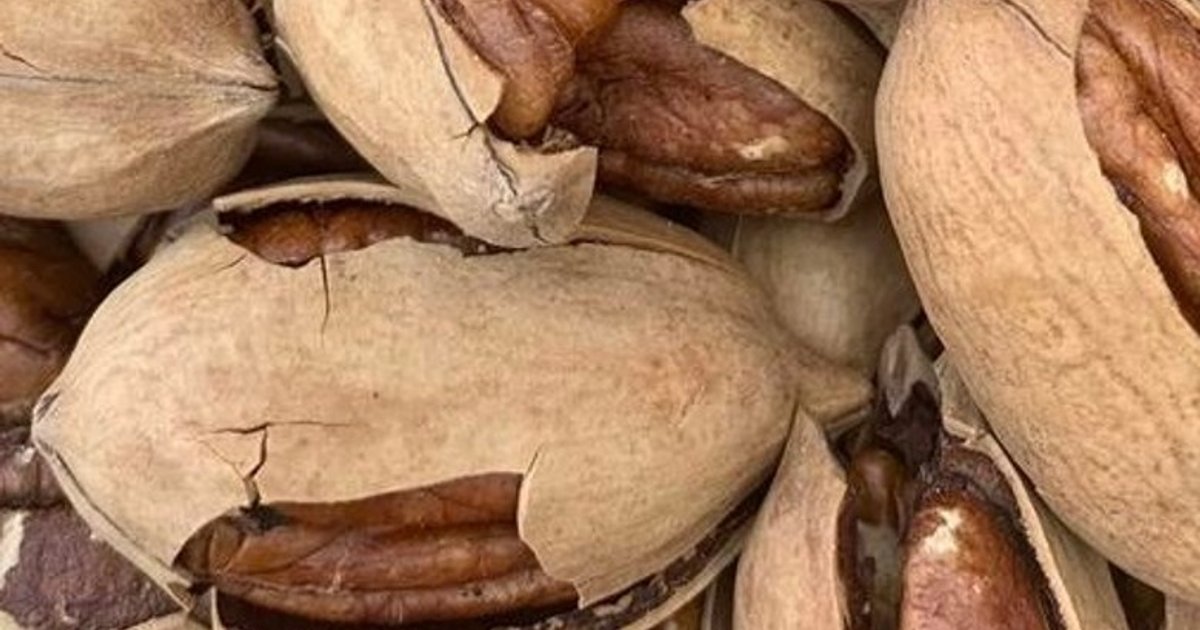
- Pecans, also known as American walnuts or thin-shell walnuts, can be consumed raw, fried, or used in snacks and oil extraction
- The ministry emphasized it uses trade remedy measures prudently and will continue the investigation to protect all stakeholders' rights
Why It Matters
This ruling marks another escalation in trade tensions between China and Western nations, following similar anti-dumping investigations into other agricultural products. Hong Kong consumers may eventually see higher prices for pecan-based products, as importers typically pass on additional costs. The case also signals China's willingness to use trade defense mechanisms to protect domestic industries, potentially affecting broader agricultural trade relationships.
This ruling marks another escalation in trade tensions between China and Western nations, following similar anti-dumping investigations into other agricultural products. Hong Kong consumers may eventually see higher prices for pecan-based products, as importers typically pass on additional costs. The case also signals China's willingness to use trade defense mechanisms to protect domestic industries, potentially affecting broader agricultural trade relationships.