Takaichi Eyes Sept 16 Reshuffle as Kobayashi Emerges
SingTao · 2 SOURCESabout 2 hours ago6 MIN
Summary
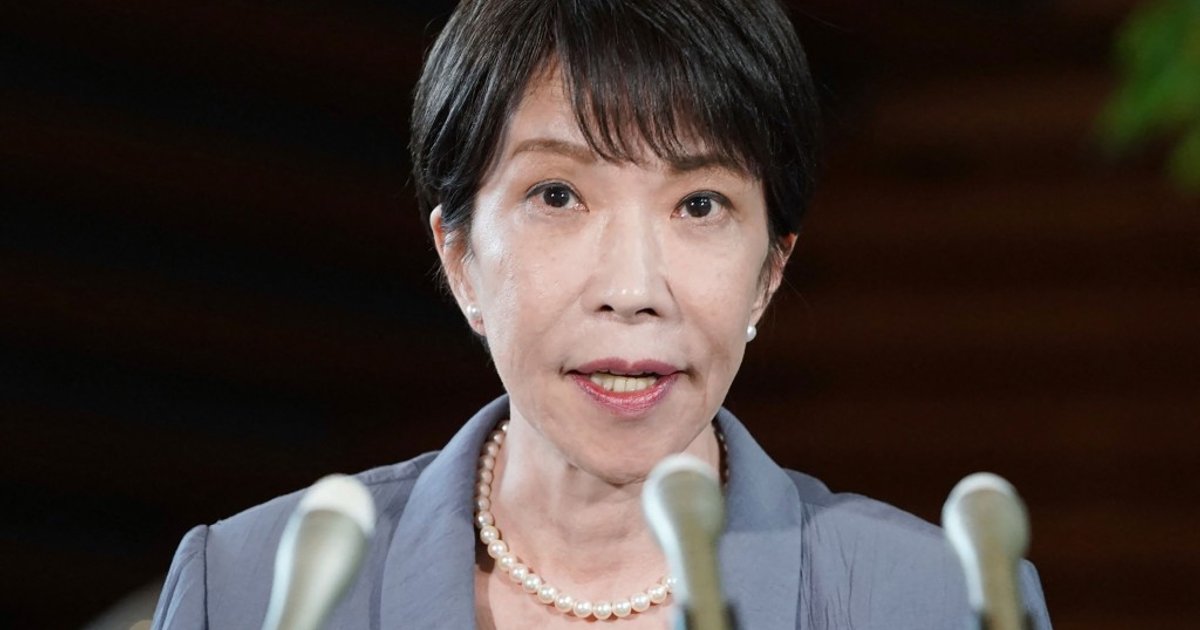
Japanese Prime Minister Sanae Takaichi (高市早苗) is considering reshuffling her cabinet as early as Wednesday, 16 September, while also overhauling senior personnel within the ruling Liberal Democratic Party, according to Japanese media reports carried by Kyodo News and others. The Prime Minister's Office has already informed relevant LDP figures of the schedule, and Takaichi is expected to receive full authority for the personnel changes at a party leadership meeting on Tuesday, 15 September. The timing appears linked to the cabinet's planned decision on a tax reform outline and preparations for an autumn parliamentary session focused on tax-cut legislation, as well as upcoming diplomatic engagements. Reports also say she may retain key ministers in defence, foreign affairs and finance, while considering policy chief Takayuki Kobayashi (小林鷹之) for a major cabinet role such as minister for economic and fiscal policy or economy, trade and industry minister
Key Points
- Kyodo News reported that Takaichi is weighing a cabinet reshuffle on 16 September, together with changes to senior Liberal Democratic Party personnel.
- The Prime Minister's Office has notified the ruling party of the timetable, with Takaichi expected to secure personnel authority at a leadership meeting on 15 September.
- Whether the reshuffle proceeds on schedule depends on the cabinet formally approving a tax reform outline on 15 September
- Takaichi's government plans to temporarily cut Japan's consumption tax on food and beverages from 8% to 1% for two years from April 2027
- Reports say Defence Minister Shinjiro Koizumi, Foreign Minister Toshimitsu Motegi and Finance Minister Satsuki Katayama are likely to stay, while Takayuki Kobayashi is being considered for a key economic post
Why It Matters
For Hong Kong readers, the reshuffle matters because it could shape the stability and policy direction of one of Asia's biggest economies at a time when Japan is balancing inflation relief, fiscal debate and external diplomacy. If Takaichi uses the reshuffle to lock in support for tax cuts and preserve continuity in security and foreign policy, businesses and investors in the region may read it as an effort to reduce political uncertainty ahead of the autumn Diet session.