Kai Tak Cruise Terminal Lacks Visitors, Not Ships — Expert Urges Policy Rethink
HK01 · 1 SOURCESabout 2 hours ago2 MIN
Summary
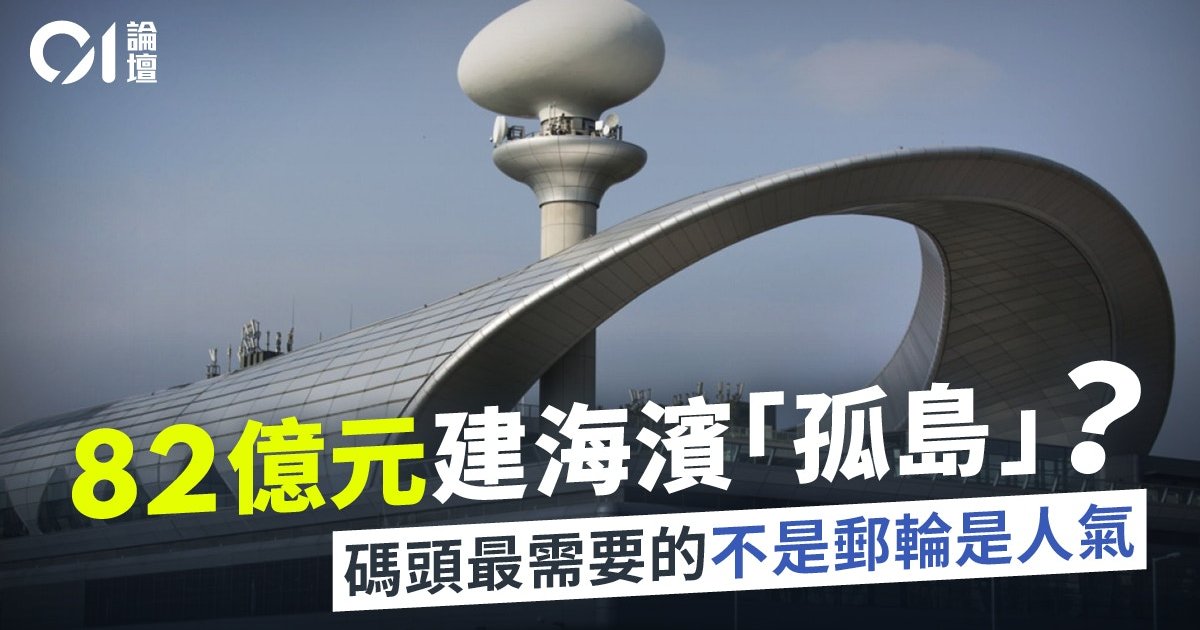
The Kai Tak Cruise Terminal has faced persistent criticism since its opening over a decade ago. Built at a cost of HK$8.2 billion, the facility has been described by public opinion as a "sealed-off waterfront island" with massive untapped potential . In June this year, the Hong Kong SAR government completed the bidding process for the next operating contract, introducing four key performance indicators: a minimum of 85 cruise ship berths annually, at least 13 non-cruise events per year, a minimum of 6,500 non-cruise visitors, and 60% occupancy for the ancillary commercial area .
Key Points
- Cruise ship visits in the past two years reached 138 and 98 respectively, already far exceeding the 85-berth minimum KPI
- The terminal handles approximately 400,000 cruise passengers annually but operates only 116 days per year, leaving it idle for two-thirds of the time
- On non-cruise days, only one shop and one restaurant operate among seven commercial units, with lifts reportedly broken for a month unrepaired
- The author proposes six measures: opening spaces to community groups, hosting quality events, collaborating with the Kai Tak Sports Park, allowing diversified revenue streams, leveraging the 120 parking spaces, and improving transport links
- The piece stresses that no single government department bears ultimate responsibility for the terminal's overall performance, with transport planning under the Transport Department, operations under the Culture, Sports and Tourism Bureau, and land use under the Development Bureau
Why It Matters
The Kai Tak Cruise Terminal represents one of Hong Kong's largest infrastructure investments, and its failure to attract sustained foot traffic highlights deeper structural issues in how the government manages public assets. The article serves as a warning that without cross-departmental coordination and a fundamental shift from outsourcing responsibility to active governance, another decade of underperformance may follow, wasting both public funds and the terminal's genuine potential as a waterfront asset .
The Kai Tak Cruise Terminal represents one of Hong Kong's largest infrastructure investments, and its failure to attract sustained foot traffic highlights deeper structural issues in how the government manages public assets. The article serves as a warning that without cross-departmental coordination and a fundamental shift from outsourcing responsibility to active governance, another decade of underperformance may follow, wasting both public funds and the terminal's genuine potential as a waterfront asset .