Friends of the Earth: Extreme Weather Hits Vulnerable Communities Hardest
HK01 · 1 SOURCESabout 2 hours ago2 MIN
Summary
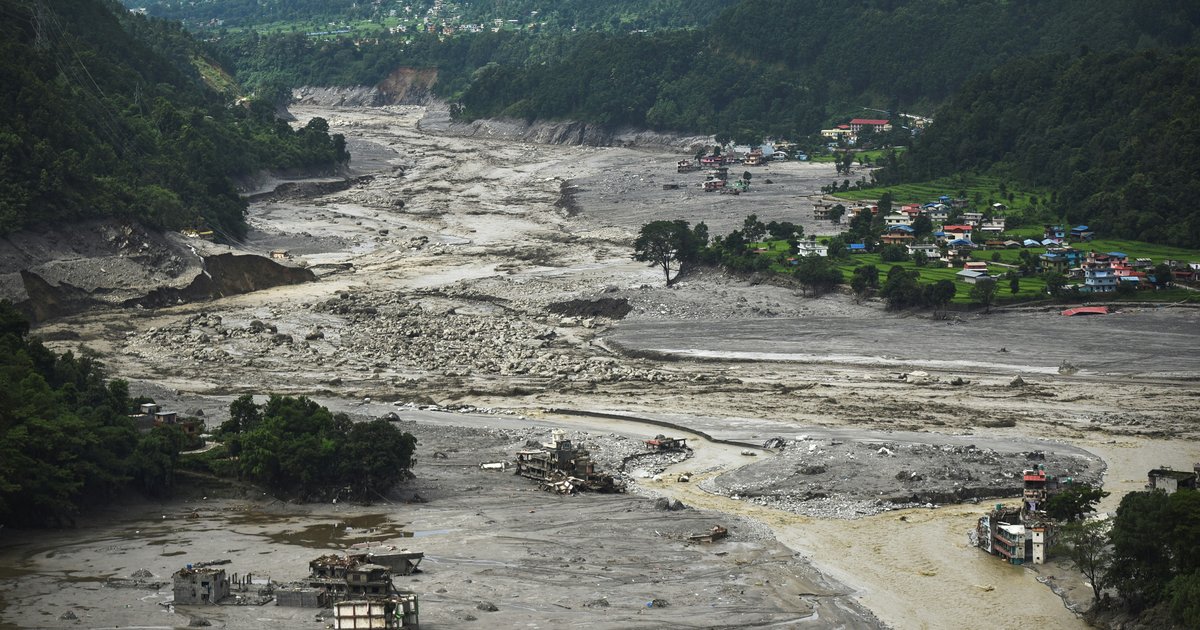
Severe flooding and mudslides along the Nepal-Tibet border have caused numerous casualties, destroying homes and livelihoods overnight in Himalayan communities whose contribution to global emissions is minimal. The disaster, described as a "global alarm bell," underscores the growing vulnerability of high-altitude regions as glaciers melt and extreme weather intensifies. Ip Kwong-to, Chairman of Friends of the Earth Hong Kong, argues that governments and corporations must strengthen climate resilience and accelerate emissions reductions before such events become unbearable.
Key Points
- Catastrophic flash floods and mudslides struck the Nepal-Tibet border region, causing mass casualties and leaving families homeless overnight
- The Himalayas contain the world's most concentrated glacier systems, now facing accelerated melting, permafrost degradation, and increased extreme rainfall
- The IPCC has warned that Asian mountainous regions face rising risks from glacier retreat, slope instability, and flood hazards
- Communities in high-altitude areas bear the greatest climate impacts despite contributing minimally to greenhouse gas emissions
- Similar extreme weather patterns are emerging globally, including European heat waves, coastal flooding, Pacific storms, and Asian rainstorms
Why It Matters
The Nepal-Tibet disaster exemplifies climate injustice, where vulnerable populations pay the ultimate price for development patterns they did not create. For Hong Kong, which faces its own escalating risks from extreme rainfall and rising sea levels, the article reinforces the urgency of investing in climate resilience infrastructure and meeting international emissions reduction commitments before similar tragedies occur closer to home .
The Nepal-Tibet disaster exemplifies climate injustice, where vulnerable populations pay the ultimate price for development patterns they did not create. For Hong Kong, which faces its own escalating risks from extreme rainfall and rising sea levels, the article reinforces the urgency of investing in climate resilience infrastructure and meeting international emissions reduction commitments before similar tragedies occur closer to home .