Trump rejects AI rules, warns on overseas data centres
SingTao · 4 SOURCESabout 1 hour ago2 MIN
Summary
US President Donald Trump used his APEC remarks in Shenzhen on November 19 to argue against regulating artificial intelligence, saying AI is almost entirely beneficial and that excessive rules would stifle the sector. After returning to Washington from the APEC trip, he told a White House news conference on November 20 that he and Chinese President Xi Jinping had agreed to establish safeguards for AI. In the same appearance, Trump warned that US technology companies building AI data centres abroad would face very heavy taxes and severe penalties, while separately urging Americans to accept data-centre construction in their own communities.
Key Points
- Speaking at the 33rd APEC Economic Leaders' Meeting in Shenzhen, Trump said the US opposed any form of AI regulation on November 19.
- Trump said AI was “almost entirely” a good thing, but acknowledged some harmful elements that should be managed carefully.
- He argued that overregulation would kill industry growth, and said such regulation should not be allowed to happen easily.
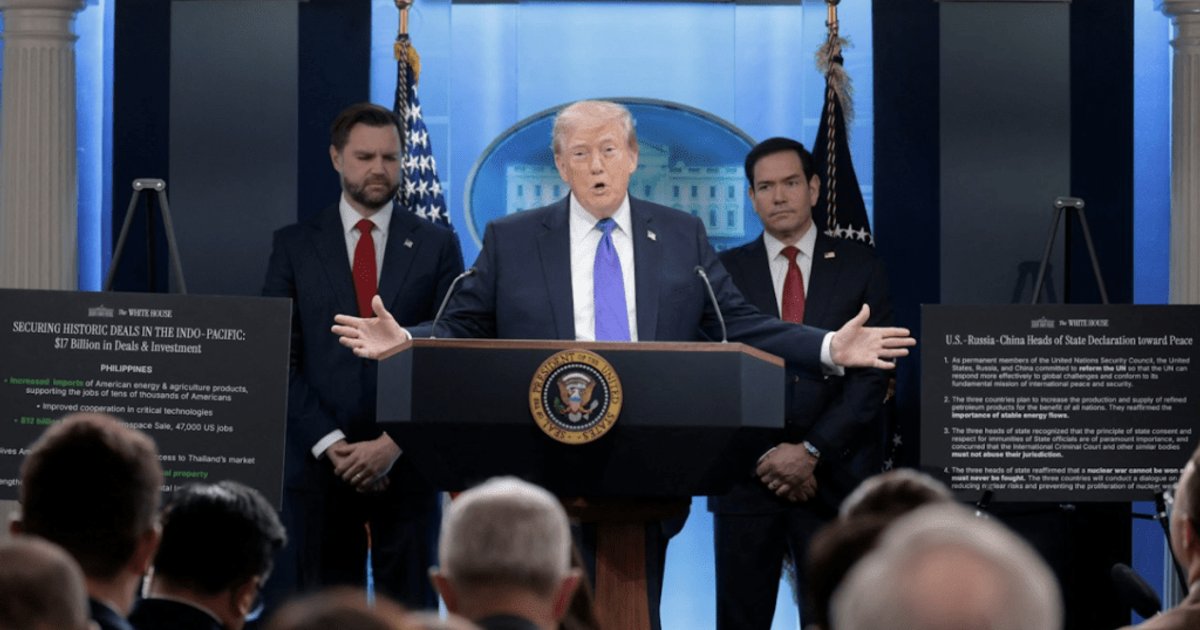
- Back in Washington on November 20, Trump said he and Xi had agreed to put safeguards around AI development
- Trump also said US firms must build data centres domestically, warning overseas projects would trigger very heavy taxes and harsh punishment.
Why It Matters
For Hong Kong readers and regional technology businesses, the story points to a more contradictory US policy mix: public resistance to broad AI regulation alongside support for narrower safeguards and pressure to keep computing infrastructure at home. That combination could affect where companies place data capacity, how cross-border AI services are structured, and how policymakers in Asia frame future AI governance debates.