US Returns 58 Cultural Artifacts to China in Ceremony at Chinese Embassy
SingTao · 2 SOURCESabout 3 hours ago5 MIN
Summary
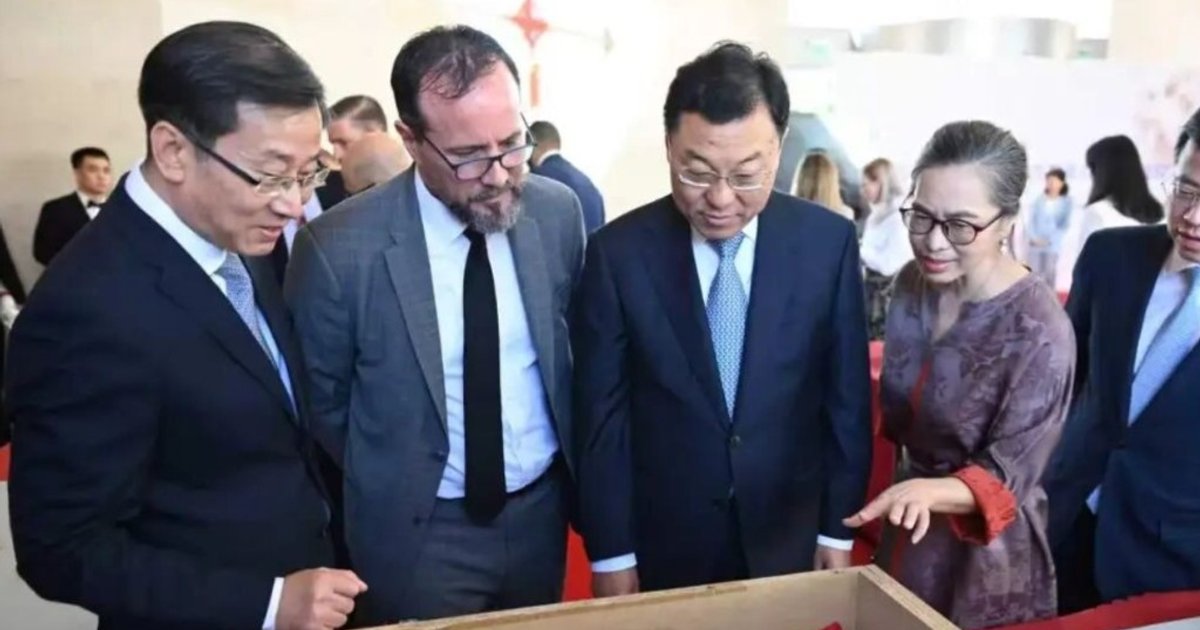
The United States returned 58 cultural artifacts and fossils to China at a ceremony held at the Chinese Embassy in Washington on September 16, 2026. The collection includes a Bodhisattva statue from the Tianlongshan Grottoes in Shanxi province that was looted over a century ago. Chinese Ambassador Xie Feng (謝鋒) described the repatriation as a visualization of the constructive strategic stability both nations have been building, calling it proof that China-US cooperation can accomplish great things and benefit the world.
Key Points
- The transfer ceremony took place at the Chinese Embassy in the US on September 16, with the Chinese side receiving 58 cultural artifacts and fossils in ten separate batches .
- Among the returned items is a Bodhisattva statue originating from the Tianlongshan Grottoes in Shanxi province, a treasure looted abroad over 100 years ago .
- Chinese Ambassador to the United States Xie Feng delivered remarks highlighting the cooperation between Chinese and American authorities over multiple years .
- Vice Minister of Culture and Tourism Rao Quan (饒權), who also serves as Director of the National Cultural Heritage Administration, stated this reflects implementation of the Beijing summit consensus .
- The repatriation was conducted under the intergovernmental memorandum of understanding restricting illegal import of Chinese cultural artifacts into the US .
Why It Matters
The successful repatriation demonstrates that China and the US can work together constructively despite broader tensions, setting a precedent for international cooperation on recovering looted cultural heritage. This event also strengthens people-to-people ties between the two nations and advances the global effort to address the historical problem of cultural property theft .
The successful repatriation demonstrates that China and the US can work together constructively despite broader tensions, setting a precedent for international cooperation on recovering looted cultural heritage. This event also strengthens people-to-people ties between the two nations and advances the global effort to address the historical problem of cultural property theft .