South Korea history exam tricked students on Sui emperor
AM730 · 3 SOURCESabout 3 hours ago2 MIN
Summary
A world history question in South Korea’s 2027 academic year College Scholastic Ability Test sparked controversy after a large majority of candidates identified the emperor in the passage as Qin Shi Huang rather than Emperor Wen of Sui. The question described the unification of China, standardisation of weights, measures and currency, the building of the Guangtong Canal from the capital to Tong Pass, and plans to cross the Great Wall to attack northern nomads, before asking students to match the ruler with a related historical event. The Korea Institute for Curriculum and Evaluation said the correct answer was the option linked to Emperor Wen of Sui, not the Qin-related choice selected by most candidates. Some students later cited answers generated by artificial intelligence tools in support of their objections.
Key Points
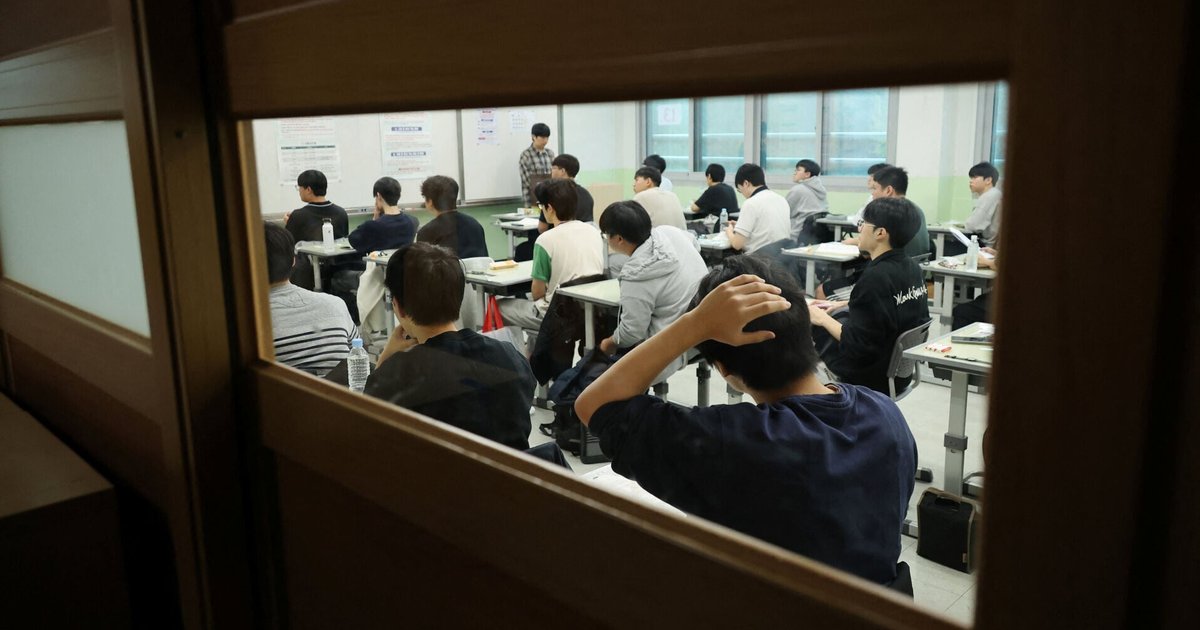
- South Korea held the 2027 academic year College Scholastic Ability Test on November 19, and the disputed item appeared in the world history paper.
- The passage mentioned political fragmentation, differing axle widths, mixed currencies, standardised weights and measures, and a canal from the capital to Tong Pass.
- Many candidates associated those clues with Qin Shi Huang; 87.7% chose option two, the Qin-linked event of burning books and burying scholars.
- The official answer was option four, “abolished the Nine-rank system”, because the key clue was the excavation of the Guangtong Canal under Emperor Wen of Sui.
- The Korea Institute for Curriculum and Evaluation said 79 objections were filed between November 19 and 9pm on November 20, including 14 about world history question two
Why It Matters
For Hong Kong readers following regional education trends, the episode shows how high-stakes public exams can turn on one precise historical clue even when several details appear to point elsewhere. It also underlines a growing problem for schools and candidates: AI-generated answers may reinforce confident but incomplete readings instead of careful source-based analysis.