HKU Startup PipeScanAI Develops Underground Pipeline Inspection Robot
AM730 · 1 SOURCESabout 3 hours ago2 MIN
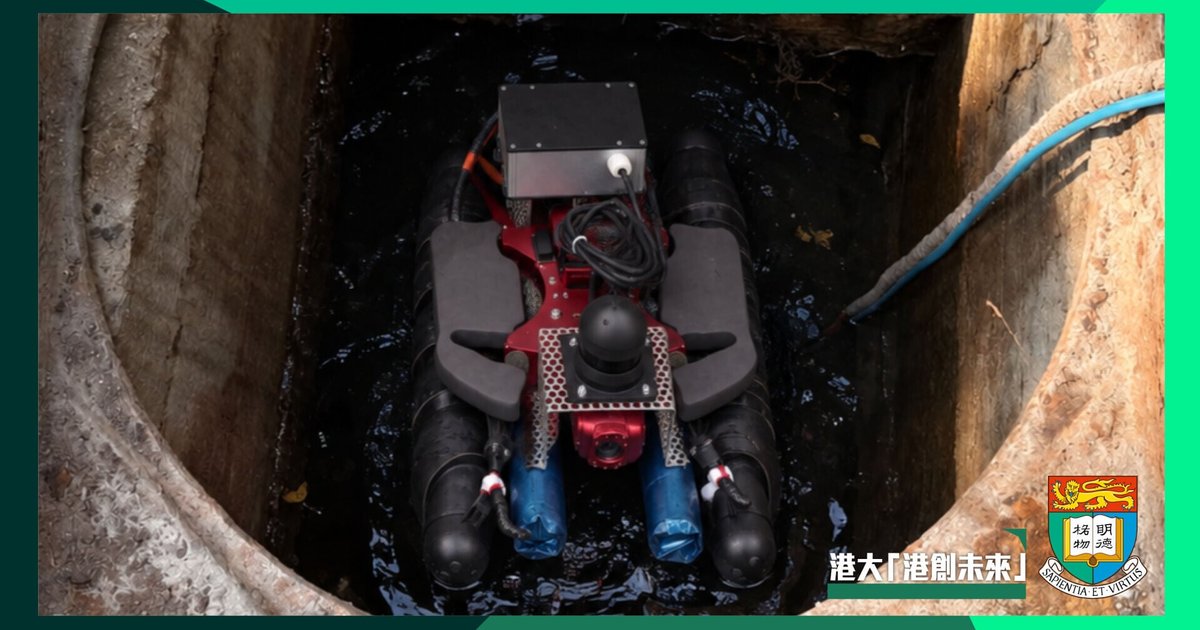
Summary
PipeScanAI, a startup supported by the University of Hong Kong, has developed an underground infrastructure inspection system featuring a robotic platform equipped with remote inspection capabilities, simultaneous localization and mapping (SLAM), three-dimensional LiDAR scanning, and artificial intelligence analysis. The robot can enter high-risk environments such as pipelines and tunnels to detect cracks, leaks, and structural anomalies, reducing the need for personnel to enter hazardous confined spaces. The system has been deployed in approximately 12 infrastructure projects involving various government departments .
Key Points
- PipeScanAI's inspection robot operates remotely, collecting high-definition imagery, LiDAR 3D point cloud data, and gas and environmental sensor data
- The team developed proprietary SLAM algorithms that achieve relative positioning accuracy within 5 centimeters in local 3D models
- The AI analysis platform automatically identifies defects such as cracks, leaks, and deformations using the MSCC5 pipeline defect coding standard
- In one completed underground drainage box culvert inspection project, the 3D scanning identified 9 additional defects not recorded in the traditional CCTV inspection report
- Projects have involved the Drainage Services Department (DSD), Environmental Protection Department (EPD), Electrical and Mechanical Services Department (EMSD), and Civil Engineering and Development Department (CEDD)
- The system can be configured with quadruped robots and drones for different terrain and inspection requirements
Why It Matters
The technology enables earlier detection of aging underground infrastructure problems, shifting maintenance from reactive responses to proactive planning. As Hong Kong's underground facilities continue to age, this inspection system could help prevent pipe bursts, road sinkholes, and service disruptions while providing data for long-term asset management and budget planning through digital twin integration .
The technology enables earlier detection of aging underground infrastructure problems, shifting maintenance from reactive responses to proactive planning. As Hong Kong's underground facilities continue to age, this inspection system could help prevent pipe bursts, road sinkholes, and service disruptions while providing data for long-term asset management and budget planning through digital twin integration .