Pezeshkian Says Iran Will Not Yield to US
Bastillepost · 2 SOURCESabout 2 hours ago2 MIN
Summary
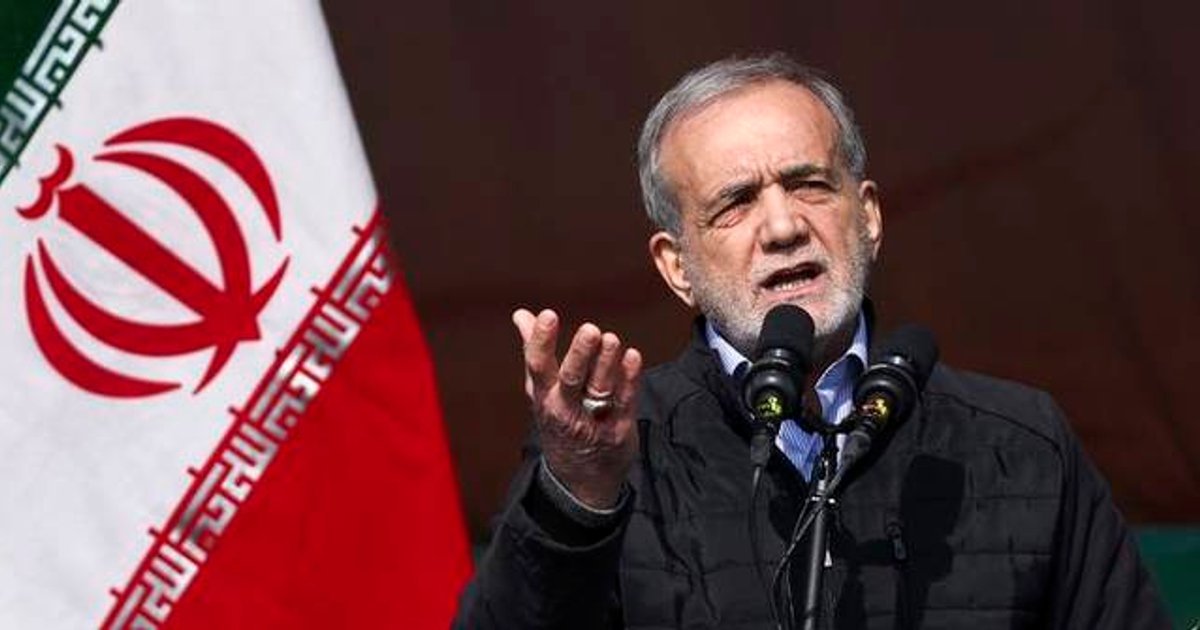
Iranian President Masoud Pezeshkian said Iran is facing what he described as a comprehensive economic, military and security war launched by the United States, but insisted Tehran would not bow to pressure. He said Washington had misjudged Iran by assuming it could be turned into “another Venezuela” through the harshest sanctions, while Iranian officials would keep working to prevent further attacks and tackle inflation, jobs and living conditions. Pezeshkian also said Iran cannot continue indefinitely in a condition that is neither war nor peace, because such uncertainty makes it difficult to attract investment. He added that the memorandum of understanding reached with the United States was based on dignity, wisdom and national interest, and included no clause amounting to surrender or Iranian retreat.
Key Points
- Pezeshkian said Iran is in a full-scale US-initiated economic, military and security confrontation, but American pressure has not brought the country down
- He said Washington wrongly believed Iran could become another Venezuela and threatened the toughest sanctions, yet Tehran remained standing and its officials kept serving
- The president said Iran must move beyond a situation that is neither war nor peace, because prolonged threats make investment difficult to secure.
- Pezeshkian said the memorandum of understanding with the United States was reached on dignity, wisdom and national interest, without any clause requiring concessions.
- Foreign Minister Abbas Araghchi said Iran has never feared US sanctions and that American blockades, military moves and economic pressure are doomed to fail.
Why It Matters
For Hong Kong readers and businesses watching Middle East risk, Pezeshkian’s remarks point to continued uncertainty rather than a clear de-escalation, even with a memorandum of understanding in place. His emphasis on inflation, jobs and investment also suggests Iran’s domestic economic strain remains central to its external posture, which can affect broader market sentiment tied to regional stability.