Herzog taps Eisenkot after Netanyahu bloc falls short
Bastillepost · 5 SOURCES1 day ago2 MIN
Summary
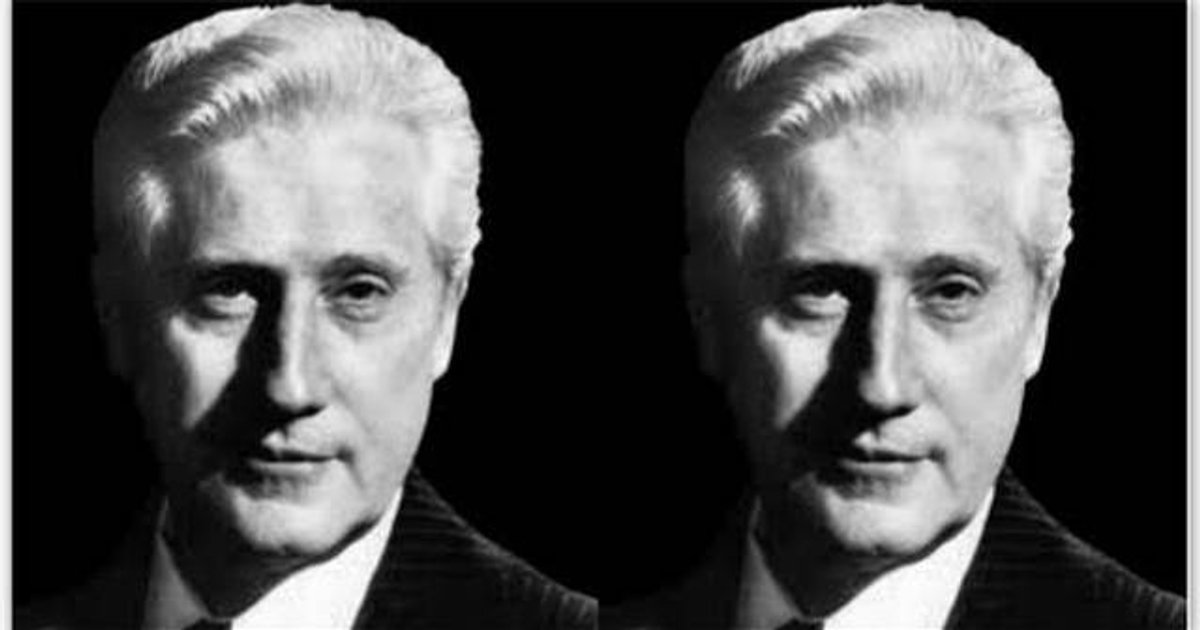
Israel’s coalition battle has moved into a decisive new phase after President Isaac Herzog reportedly chose former army chief Gadi Eisenkot to try to form a government. The move follows an election in which Prime Minister Benjamin Netanyahu’s bloc won 53 seats, the opposition took 48, and Arab parties captured 19, leaving no side with a majority. With Arab parties emerging as kingmakers, the central question is whether Eisenkot can convert recommendation support into a workable coalition. Netanyahu, meanwhile, has warned against relying on Arab parties and has floated a broad unity government under his leadership.
Key Points
- Israel’s 120-seat parliament requires 61 seats to form a government; final results gave Netanyahu’s bloc 53 seats, Eisenkot’s opposition 48, and Arab parties 19.
- Herzog received the official election results on November 4 and began two days of consultations with party representatives to decide whom to task with coalition talks.
- By November 6, parties backing Eisenkot for the premiership held 67 seats, and the Joint List said it would recommend him to Herzog.
- Reuters, citing Israeli media, reported on November 8 that Herzog selected Eisenkot on November 7 to try to form a new government.
- Netanyahu publicly called cooperation with Mansour Abbas and other Arab leaders “a disaster” and later proposed a broad coalition excluding Arab parties but led by himself.
Why It Matters
For Hong Kong readers, the immediate consequence is that Israel may face either a fragile coalition or another election, extending uncertainty around regional security and diplomacy. That matters because the sources also describe U.S.-Israel contacts over Iran and a domestic power struggle that could affect policy direction at a sensitive moment.