HKU Medicine Partners with Orbis to Offer Free Eye Exams for 1,000 Children
SingTao · 1 SOURCESabout 3 hours ago2 MIN
Summary
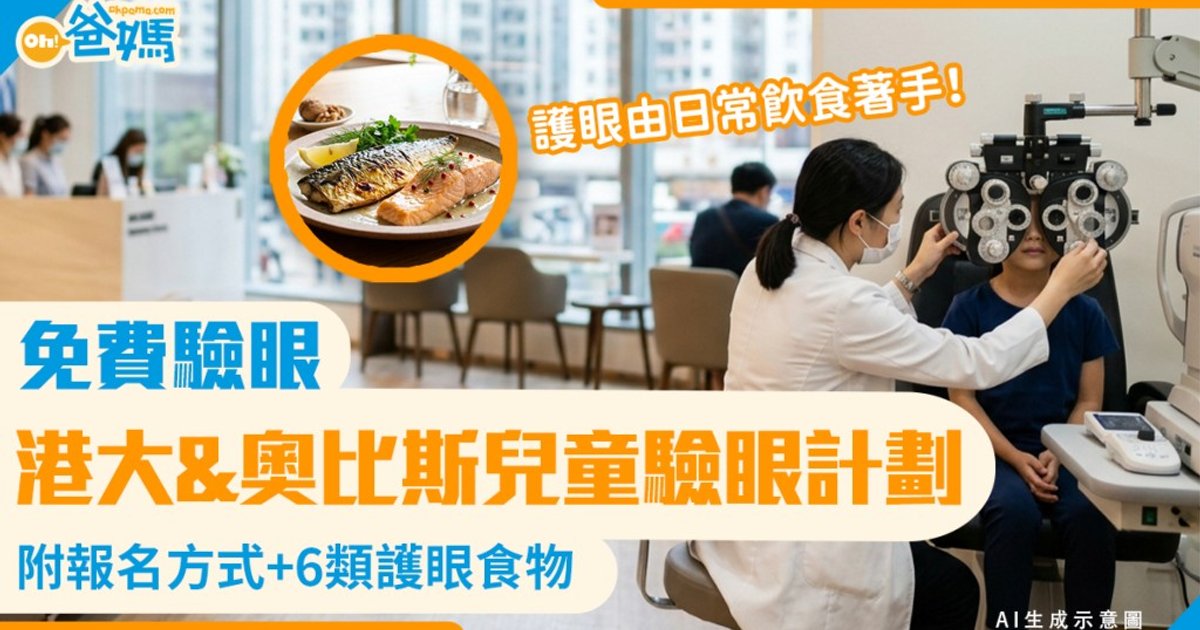
The University of Hong Kong Faculty of Medicine has partnered with international eye charity Orbis to launch a comprehensive programme addressing childhood myopia in Hong Kong. A recent HKU study found that nearly 40% of 501 children aged 5 to 12 surveyed have myopia, with half of the adult population also affected. The initiative offers free eye screenings for 1,000 children aged 5 to 12 starting in October, alongside expert dietary recommendations from ophthalmologists to support visual health from a young age.
Key Points
- HKU Faculty of Medicine research shows 40% of 501 children aged 5-12 have myopia; half of Hong Kong adults are myopic, with twice the risk of vision impairment
- Free eye examinations will be provided to 1,000 children aged 5-12 from October onwards; registration is now open for the programme
- A three-year clinical trial will investigate low-concentration atropine eye drops, myopia-control spectacle lenses, and combined therapy starting next year
- Ophthalmologist Dr. Nian Jing-min recommends six categories of eye-healthy foods: fish (Omega-3), leafy greens (lutein), orange vegetables (beta-carotene), nuts (vitamin E), eggs, and goji berries with red dates
- Parents are advised to adopt a "rainbow diet" combining deep green, orange, and red ingredients with quality oils for optimal eye nutrition
Why It Matters
With Hong Kong recording some of the world's highest myopia rates, early intervention through programmes like this can help prevent serious complications including retinal detachment and blindness. The combination of accessible screenings and practical dietary guidance empowers families to take proactive steps in safeguarding children's long-term vision health .
With Hong Kong recording some of the world's highest myopia rates, early intervention through programmes like this can help prevent serious complications including retinal detachment and blindness. The combination of accessible screenings and practical dietary guidance empowers families to take proactive steps in safeguarding children's long-term vision health .