Indian opposition rallies demand election chief quit
SCMP · 2 SOURCES1 day ago2 MIN
Summary
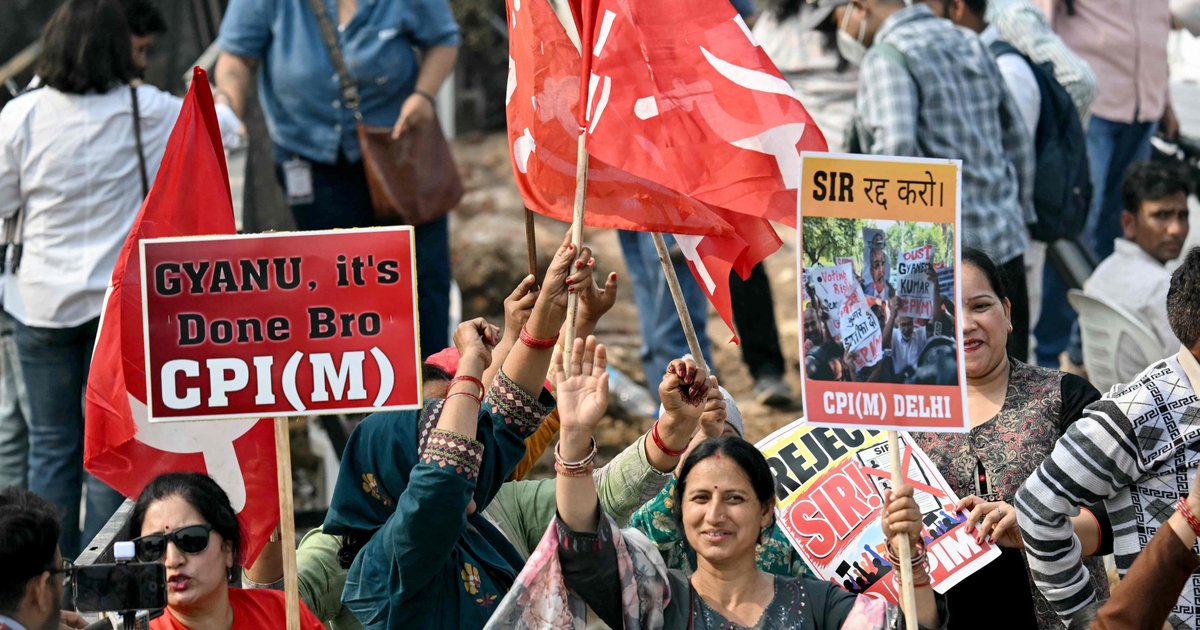
Thousands of people protested in Delhi on Sunday in the latest opposition mobilisation against Prime Minister Narendra Modi, demanding that Chief Election Commissioner Gyanesh Kumar resign over a sweeping revision of voter rolls. The march was led by Congress leader Rahul Gandhi, who accused the authorities of stripping citizens of their voting rights and said removing the election chief would be the first step to putting the country “back on the right track”. Opposition parties argue the voter-list changes favour Modi’s Bharatiya Janata Party and have disproportionately affected Muslim voters and other minorities. The Election Commission rejects allegations of bias and says voters wrongly removed can re-enrol
Key Points
- Authorities tightened security in Delhi before the march, warning of traffic diversions as protesters headed from central Delhi to Ramlila Maidan
- Hundreds of security personnel, some carrying batons and shields, were deployed around Ramlila Maidan alongside riot-control vehicles
- Gandhi led opposition leaders in an open-top jeep and told the rally Gyanesh Kumar would have to vacate his post.
- The voter-roll revision removed more than 130 million names, a figure larger than the population of Japan, according to the reports
- Protester Reena Mahto said four members of her family in Jagdalpur, Chhattisgarh, were wrongly marked as having moved away.
Why It Matters
The protests have become the most serious political challenge to Modi since he took office in 2014, even though his government remains stable and the next general election is not due until 2029. For Hong Kong readers, the dispute matters because it centres on electoral credibility in one of Asia’s biggest economies, where political stability can shape regional business confidence and diplomatic attention. The scale of the voter-list revision and the opposition’s response also show how administrative election changes can quickly become a broader legitimacy crisis.